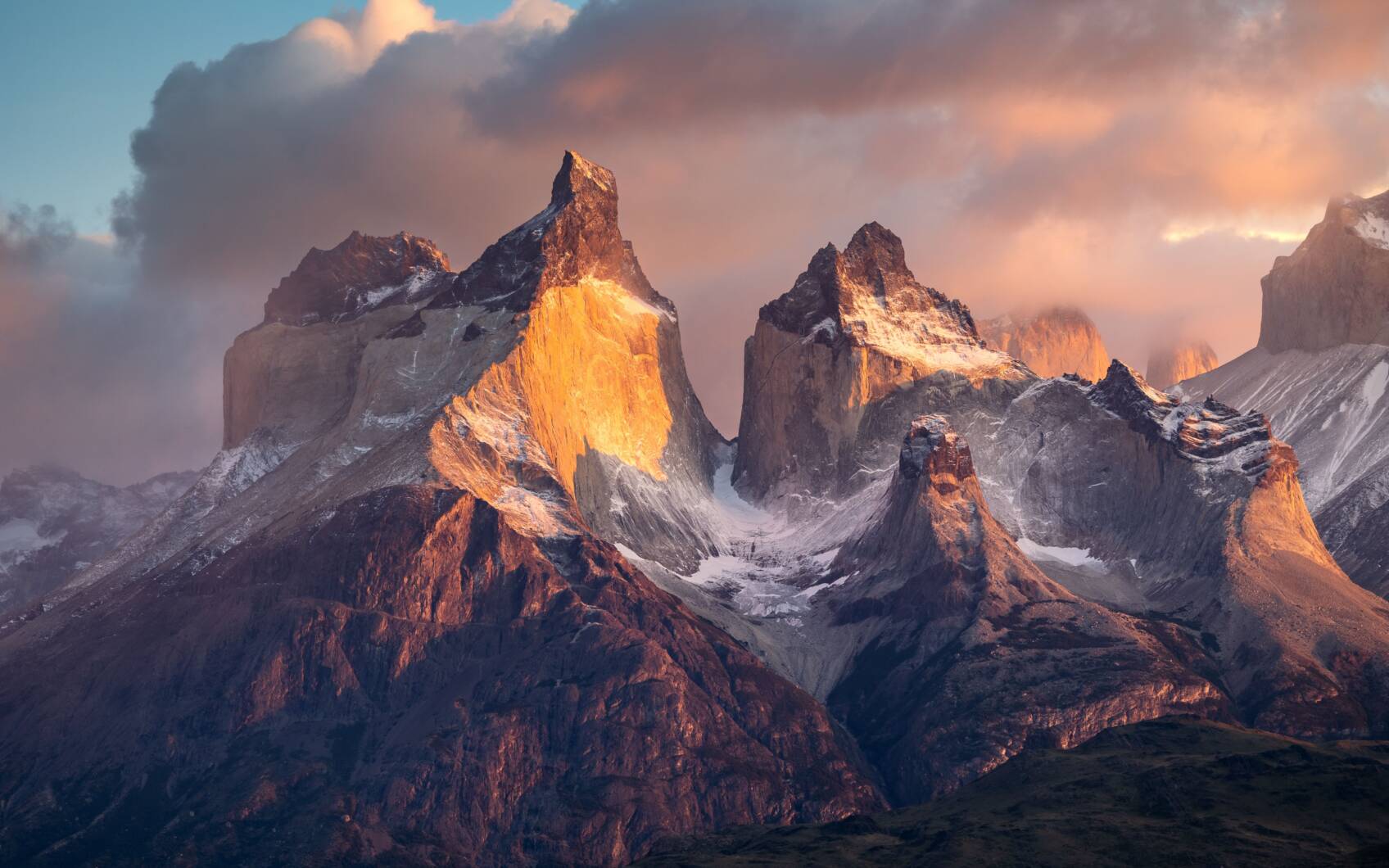
7 Best Shoulder Season Travel Windows

The Serengeti in November looks nothing like the postcard version. Storm clouds stack over gold grass. Calves born three weeks earlier still wobble when they run, and nobody is watching any of it from a vehicle five deep.
That’s the whole case for shoulder season, really: a place hits its best moment right while everyone else is booking a different month.
Our Travel Designers build entire calendars around this idea.
The weeks right before a destination peaks, or right after it empties out, tend to bring better light, calmer wildlife, and rooms that were sold out thirty days earlier. Seven windows below, one per continent. Each has a named property and a reason it earned the spot, not just a season chart.
1
Kenya’s Masai Mara, Early-to-Mid November
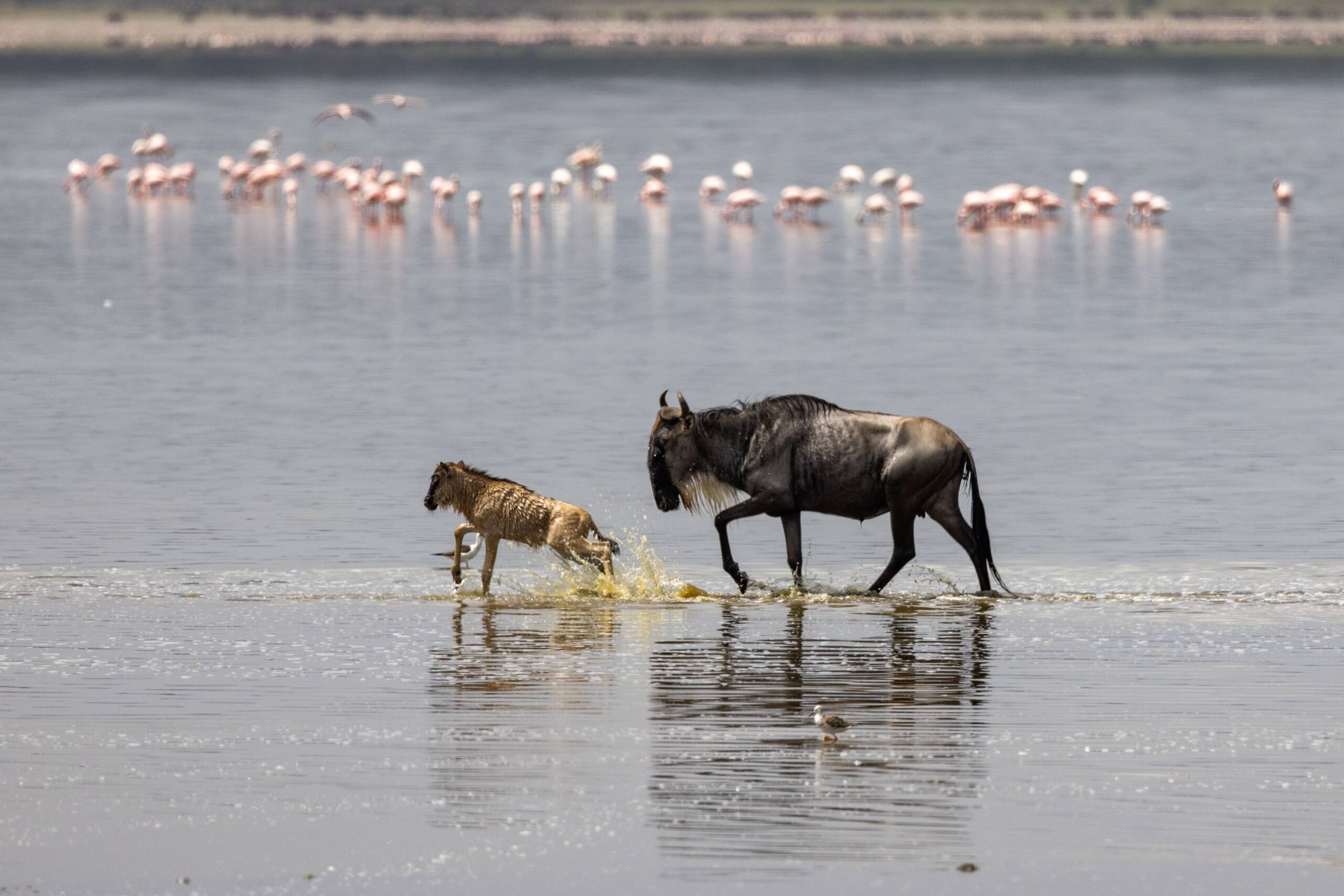
November’s short rains hit the Mara fast. Grass that had gone brown by October is green again within days. Wildebeest that scattered across the plains after the main migration start calving here, and predator activity climbs with them.
Naibor Camp, inside the Mara Triangle on the Talek River, times its best routes to this exact window. Private conservancy tracks that stayed clogged with vehicles all August open back up in November. Rates on multi-night stays drop too, though the discount matters less than what it signals: camps want people here this month because the game viewing doesn’t depend on luck to be good.
There’s a photography angle most travelers miss. Overcast skies replace the flat midday glare of the dry season, and guides who shoot for a living plan their trips around this. Newborn wildebeest pull cheetah and hyena into open ground, which gives a long lens a clean line it won’t get in July.
2
The Amalfi Coast, Late September
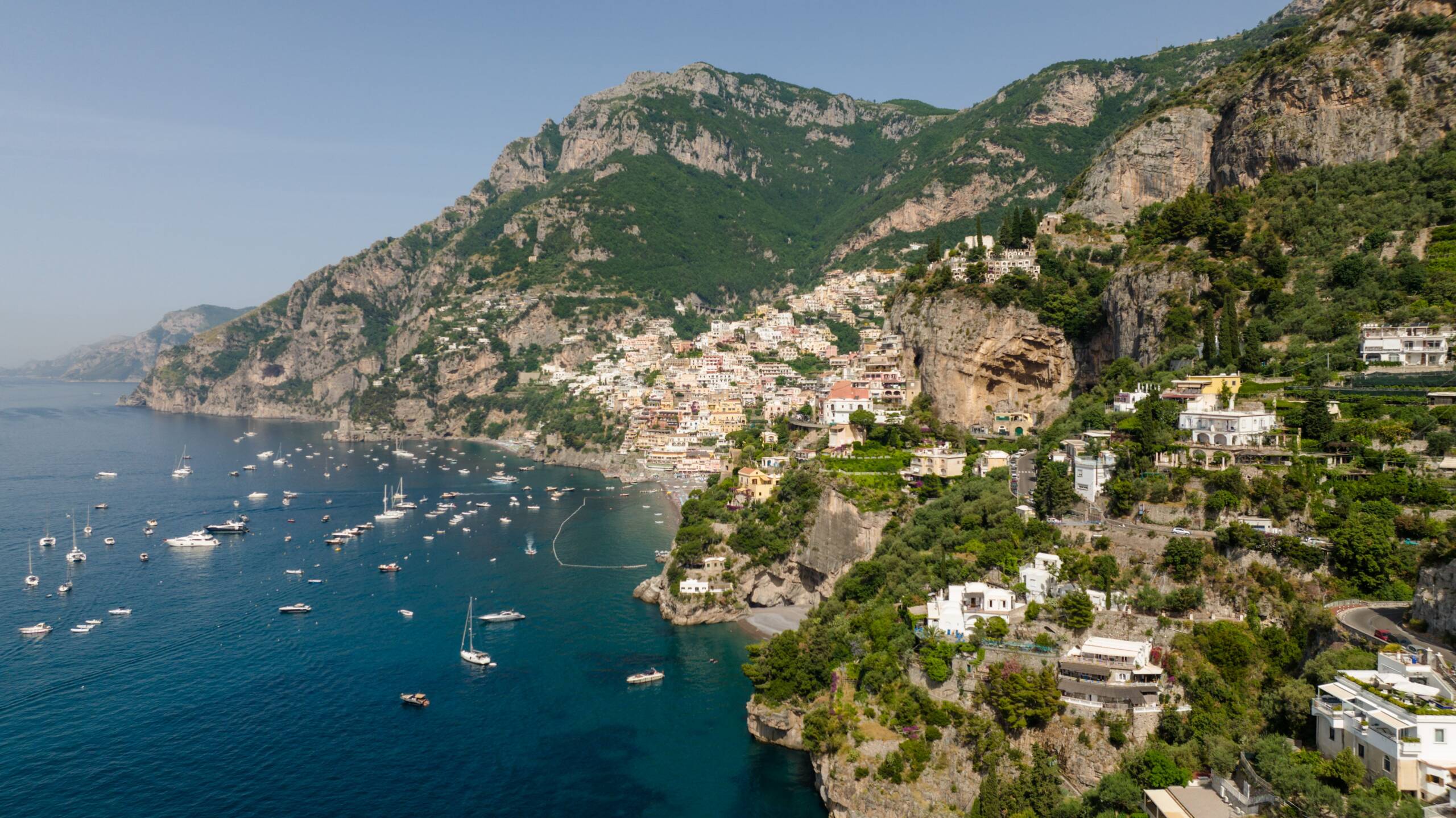
Peak season on this coast shuts off almost like a faucet, right after the last week of August. Give it three weeks and the sea is still swimmable, the coast road has thinned out considerably, and a restaurant table that needed a month’s notice in July can often be had same-day.
Le Sirenuse in Positano runs its cliffside pool and terrace through October, but late September is the stretch where the town itself starts to feel like it belongs to whoever’s actually staying there instead of the ferry crowds. Caruso, up in Ravello and naturally quieter to begin with, gets even more of that shift. Ask for a room facing the water and sunset arrives with nobody else’s shoulder in the frame.
Boats improve just as much as rooms do. Charter a tender out of Positano toward the Li Galli islands, or head up past Capri instead. By mid-September the traffic that clogs the water every August has mostly cleared out. Swim stops at Fiordo di Furore and the sea caves near Conca dei Marini stretch well past the rushed ten minutes visitors get during high summer.
3
Montana’s Rocky Mountain Front, Mid-September
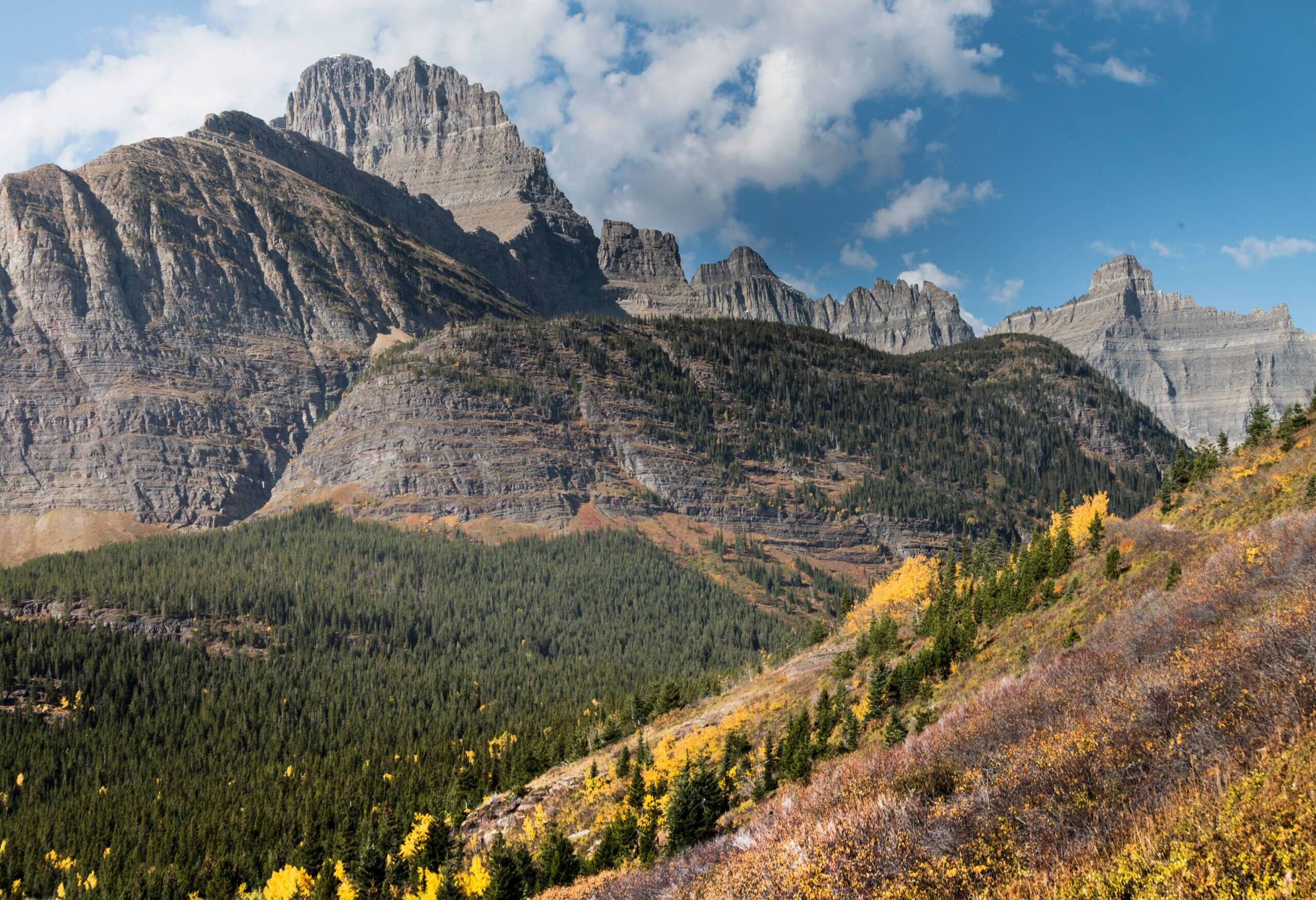
Montana’s dude ranches peak from June through August. Every room is booked, and outfitters spend their days shuttling groups instead of building a single itinerary around one guest. Mid-September flips that. School is back in session. The cottonwoods along Rock Creek turn gold, and elk start bugling through the timber as the rut gets underway.
The Ranch at Rock Creek, outside Philipsburg, keeps its full roster of guides on through October. September is when they actually have room to build a day around what one guest wants, instead of what a week’s group booking allows. Fly-fishing on Rock Creek itself gets easier too, since water levels drop from summer’s snowmelt highs and the browns and rainbows that scattered into deep pools during July start feeding in the shallows again.
Wildlife viewing tightens up as well. Elk that spent summer scattered across high alpine meadows move down into the valleys by mid-September. A guide who knows the property’s private land can put a guest within earshot of a bugling bull, without the crowds that gather two hours south at Yellowstone’s more accessible viewpoints.
4
Patagonia, March
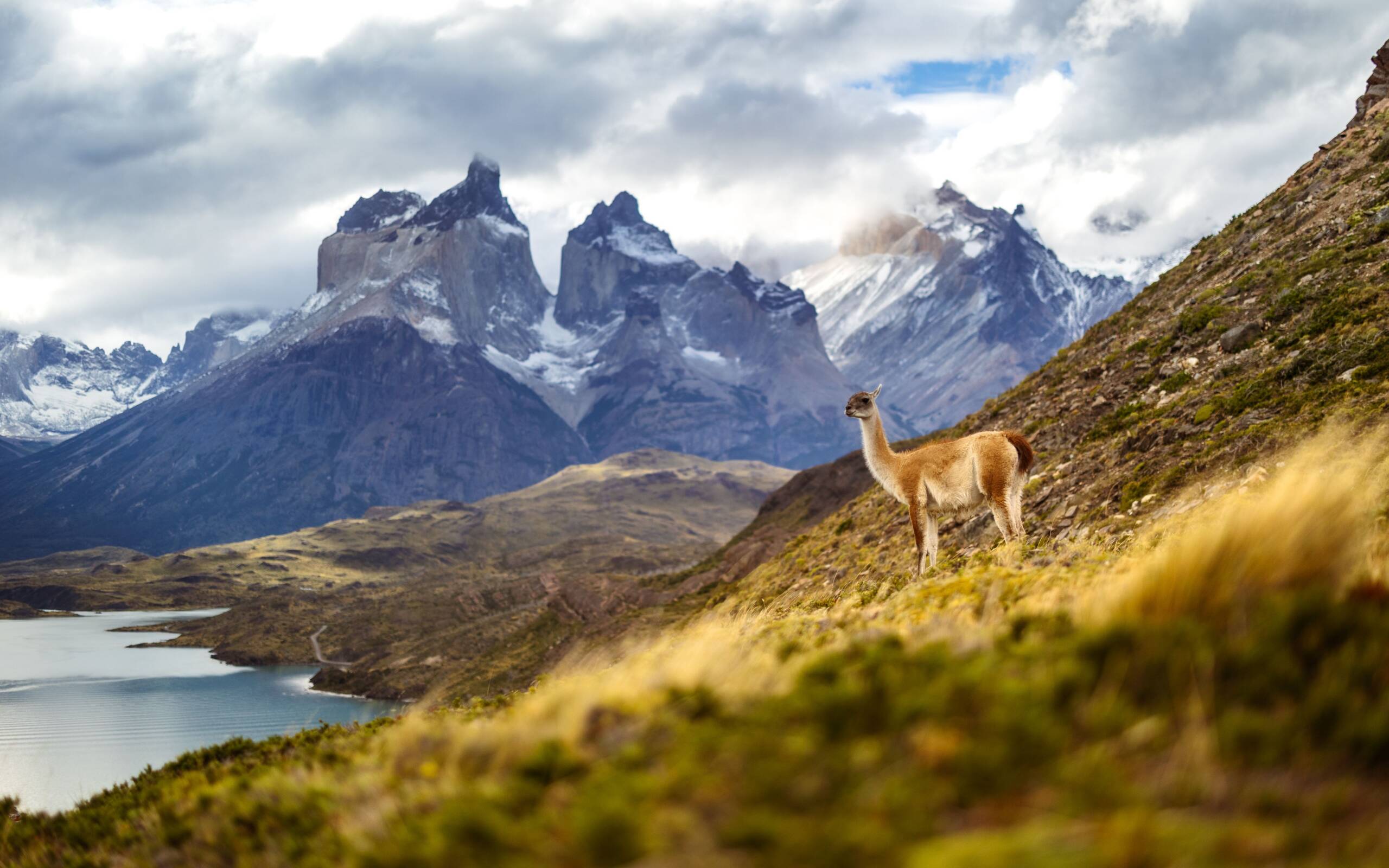
Patagonia’s real peak runs December through February: long days, stable weather, every guide locked into back-to-back group departures. March resets the math entirely. Days shorten just enough to slow the pace down. Lenga forests across Torres del Paine turn copper and gold, and guides who spent three straight months managing groups finally get their own schedules back.
Awasi Patagonia gives each guest a private guide and vehicle for the full stay, and that’s precisely why March works here: the day gets built around what you want to see, not around what a group of twelve can agree to. Wind also drops off its January peak, which makes the hiking routes around the Torres noticeably more forgiving on the body.
Calmer wind opens up the water too. Kayaking on Grey Lake, threading past icebergs calved off the Grey Glacier, is a rougher trip in January’s gusts than it is on a still March afternoon. Puma tracking, which Awasi runs most mornings out in the Baguales range, also gets better as the cats move to lower ground ahead of southern hemisphere winter.
5
Antarctica, Mid-November
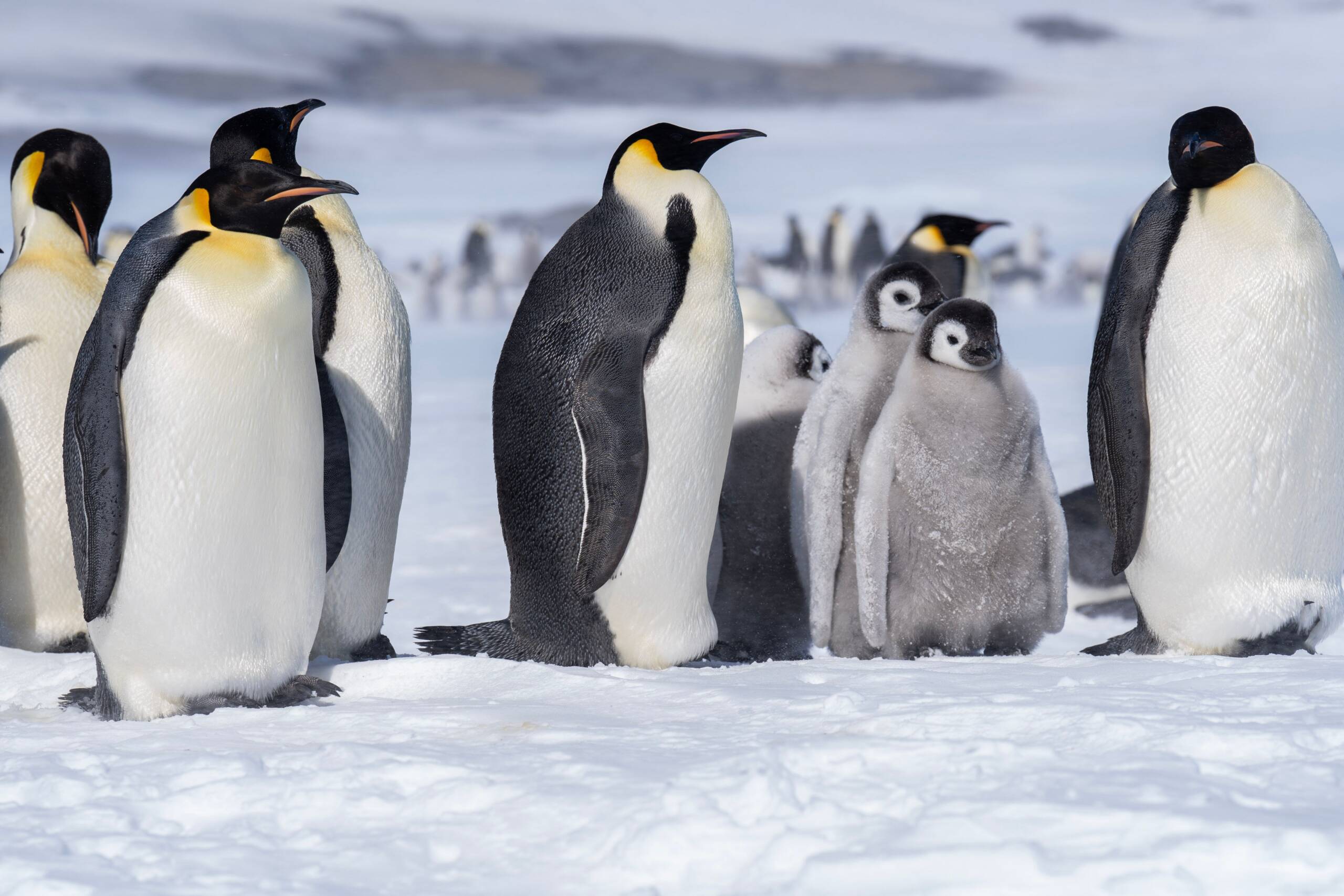
Antarctica’s season runs November through March. Most travelers default to the middle months, when the ice has fully broken up and every ship and camp is booked solid. Mid-November sits at the front edge instead. The continent is just opening for the season, and the snow at camp sites is still pristine, untouched by a full season of boot traffic.
White Desert, which flies guests directly onto the interior ice sheet rather than sailing the Drake Passage, times its Emperor penguin departures to this exact window. Chicks at the Atka Bay colony are still downy and dependent in November, clustered in the creches that make for the kind of viewing that disappears once fledging starts in December.
The math works in a traveler’s favor too. Camps like Whichaway run at a fraction of their peak-season headcount in November. That means more time with a guide, and fewer charter flights competing for the same weather windows. Twenty-four-hour daylight has already set in by mid-month, which means a delayed flight or a weathered-out excursion doesn’t necessarily cost the day.
6
Kyoto, Early June
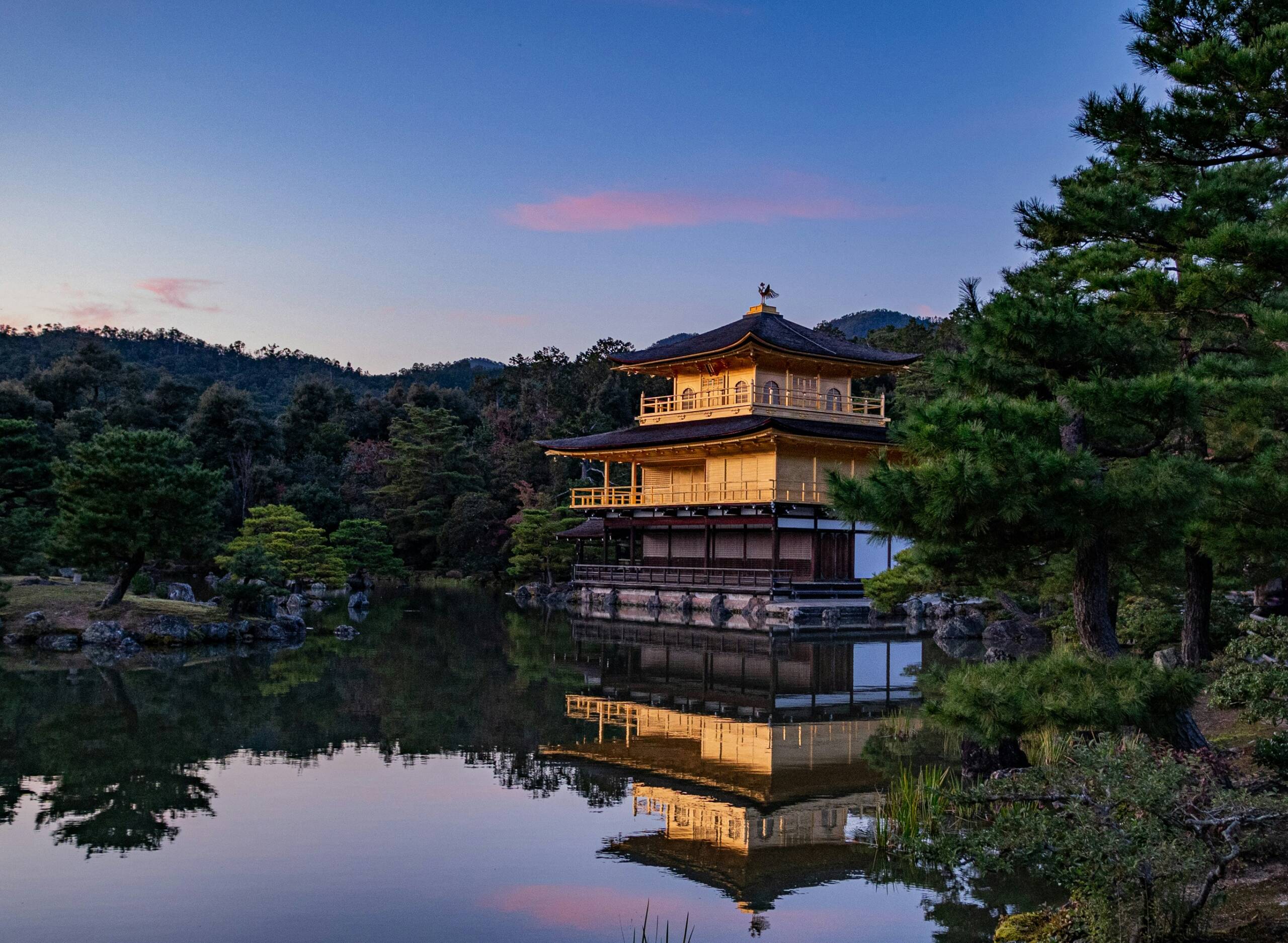
Everyone times a Kyoto trip around cherry blossoms or maple leaves. April and November stay booked a year out no matter what. Early June sits in an overlooked gap: after Golden Week clears out, before the rainy season sets in. The moss gardens at Kyoto’s temples hit their deepest green right in this window, and most visitors haven’t caught on yet.
Hoshinoya Kyoto, reached by a short boat ride up the Oi River, uses that gap well. Fewer day-trippers means the ryokan’s private boat arrival finally feels private for once. The temple visits we arrange through the property, Tenryu-ji’s garden especially, run without the tour-group bottlenecks that define both April and November.
Time a visit to Arashiyama’s bamboo grove for early morning in June specifically. The grove is a five-minute walk from the ryokan’s dock. The buses that pack it by ten during cherry blossom season are largely absent in June, and morning light through the stalks carries a green cast that bare winter stalks simply can’t produce.
7
New Zealand’s South Island, October
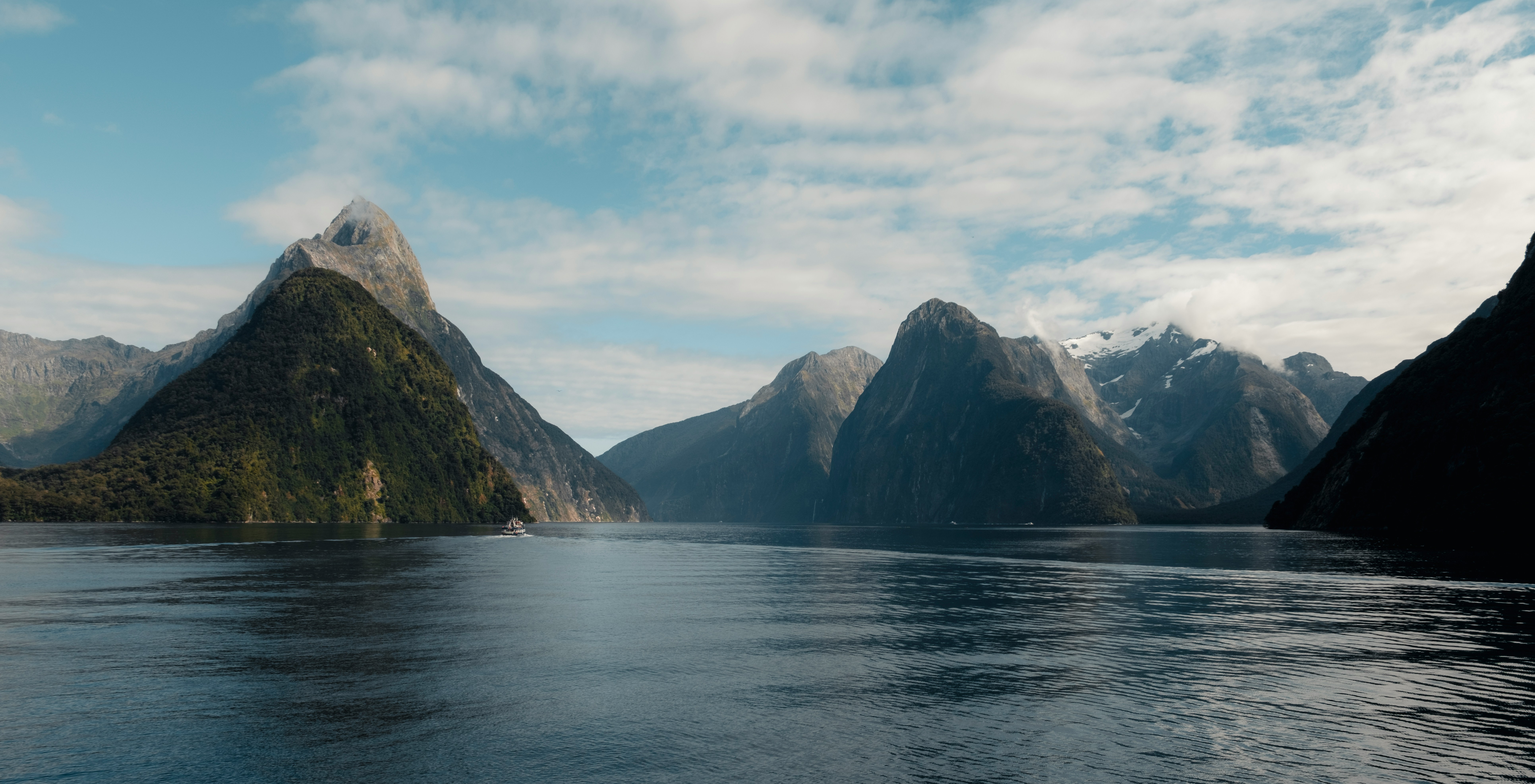
On the South Island, spring runs September into November, ahead of the December-through-February rush that fills every lodge from Queenstown to Milford Sound. October sits right in the middle of that build. Snowmelt has the rivers running high, the high country is turning green, and lodges fully booked by Christmas still have real availability in this window.
Blanket Bay, on Lake Wakatipu near Glenorchy, opens its full activity list in October, heli-hiking and fly-fishing included. The wait times that pile up once summer hits haven’t started yet. Milford Sound day trips run with a fraction of the usual boat traffic in this window. That changes what the fjord looks and feels like from the water.
Fly-fishing gets the biggest lift from October timing. Brown trout on the Dart and Rees Rivers come off a winter with almost no fishing pressure, and access to the best pools hasn’t yet been divided up among the summer’s full guiding calendar.
Access granted

Is any of this a secret? Not exactly.
What’s harder to pull off alone is the layering: knowing Naibor’s best rooms free up in November, that Awasi’s guides actually have room on the calendar in March, that a September boat out of Positano beats the same trip in July every time. That coordination, timed against each property’s own calendar rather than a generic season chart, is what our Travel Designers do.
We track these windows year-round, then build the calendar so each destination gets booked at its best moment. Connect with our Travel Designers to start planning.

Our experts are waiting to help you discover somewhere extraordinary.
You might also like…

-
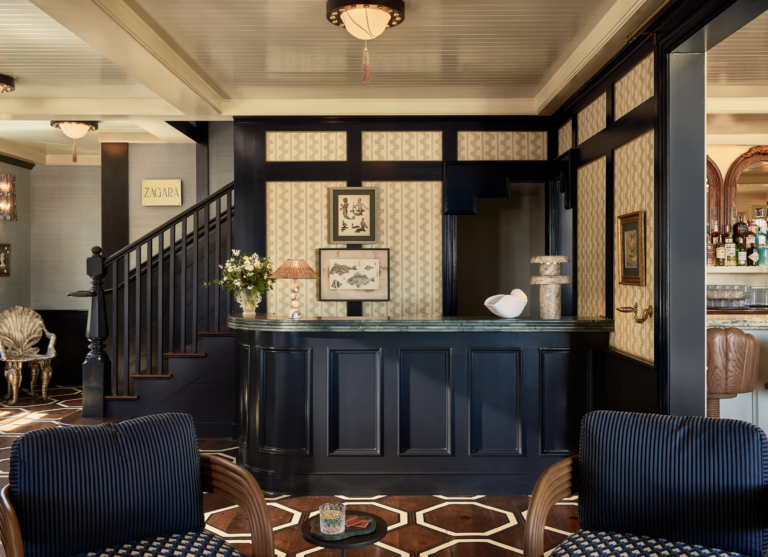
Faraway Sag Harbor: The Hamptons’ New Harborfront Hotel
Baron’s Cove sat on Sag Harbor’s waterfront for years. Shingle-style,…
-
5 Best Skillcation Destinations of 2026
The word “skillcation” sounds like a marketing portmanteau because it…
-
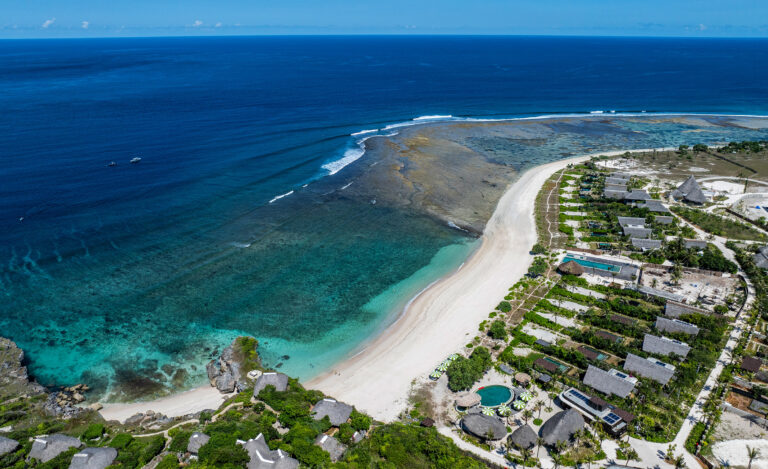
Nihi Rote: Inside Indonesia’s Newest Island Hotel
Nihi’s second Indonesian resort opened April 2026 on remote Rote…
Start building my trip
It all starts with a few details, then our travel experts will create an unforgettable experience just for you.

You’re invited to the club
We’re always adding new trip inspiration and exclusive articles. Share your email and never miss out.