Dolomites Hut-to-Hut: The Luxury Version

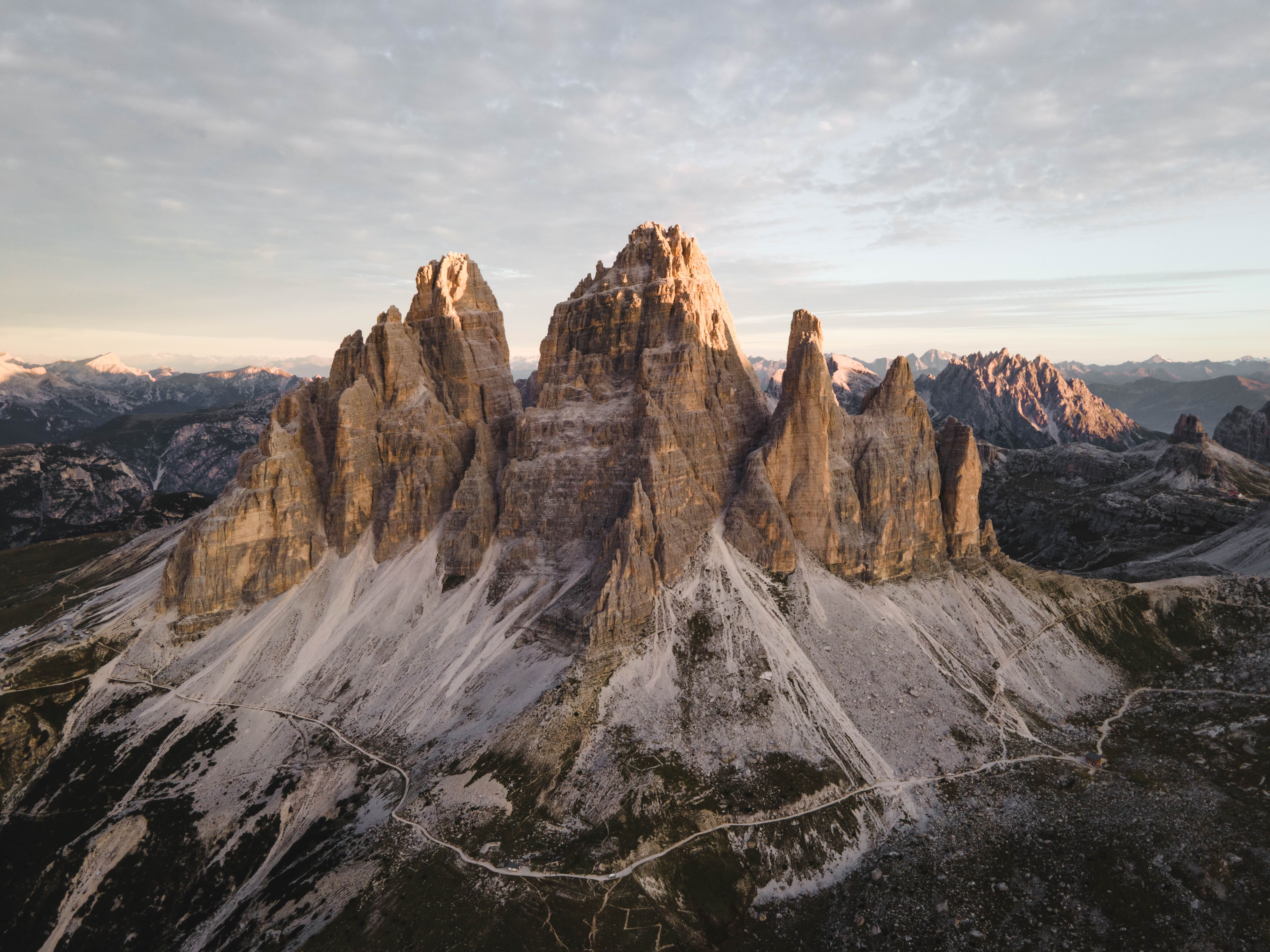
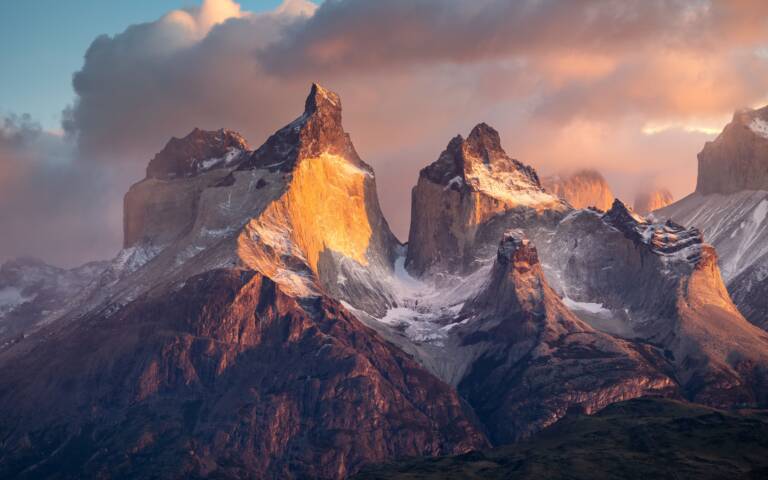
The pale limestone towers of the Dolomites turn amber at dusk. The phenomenon is called the enrosadira, and it lasts roughly twenty minutes.
You either see it from a mountain refuge terrace at 2,200 meters, with dinner being plated behind you, or you see a photograph of it on someone else’s feed.
That is what the Dolomites’ emerging category of “super huts” delivers: the earned version of one of the world’s most spectacular landscapes, without the utilitarian compromise that multi-day mountain hiking has historically required.
What a Super Hut is
The traditional rifugio — Italy’s Alpine mountain huts, built along the Dolomites’ long-distance routes — has always served a function. Bunk beds, shared bathrooms, dinner from a single pot. That infrastructure built the hut-to-hut culture here, and it still defines most of what’s on the trail.
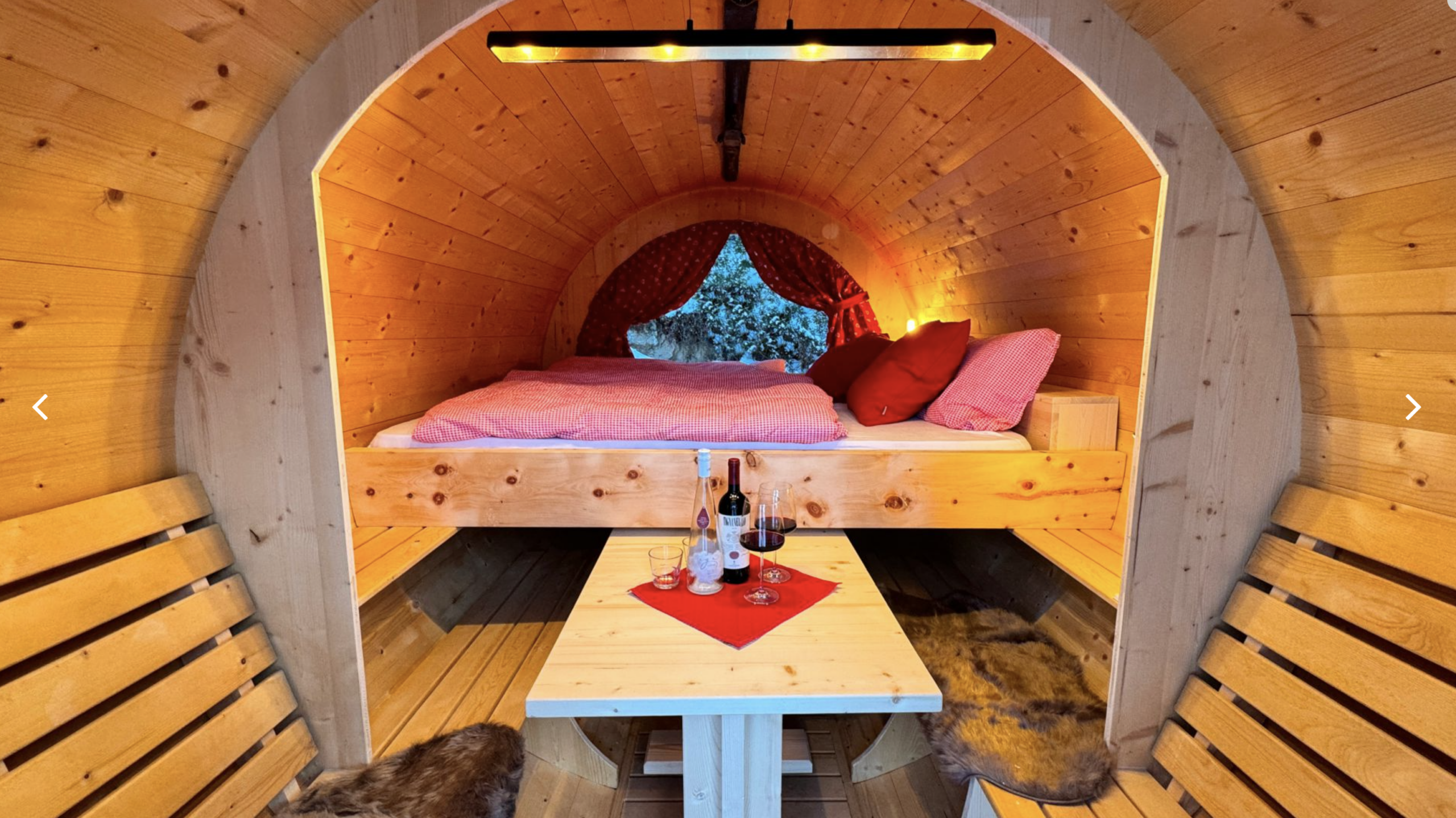
A super hut is something different. The designation is informal, used by luxury active travel operators to describe a growing cluster of refuges that have invested in a different kind of overnight: quality bedding, private rooms, wine lists from Trentino-Alto Adige producers, and kitchens that take the elevation seriously. Rifugio Lagazuoi, above Cortina d’Ampezzo at one of the Alta Via 1’s most dramatic points, operates the highest Finnish sauna in the Dolomites. Rifugio Scotoni, tucked into the Fanes basin, anchors its menu in the Val Badia’s dairy tradition. The format is no longer experimental, and it is becoming the standard for the route’s best positions.
When a kitchen at 2,000 meters plates local cured meats from the Val Pusteria alongside hand-rolled pasta and a wine list that includes Lagrein from a specific Bolzano producer, the act of ending a physical day in the mountains becomes something different. The meal earns its place in the experience.
The Alta Via 1: The Route That Makes This Work
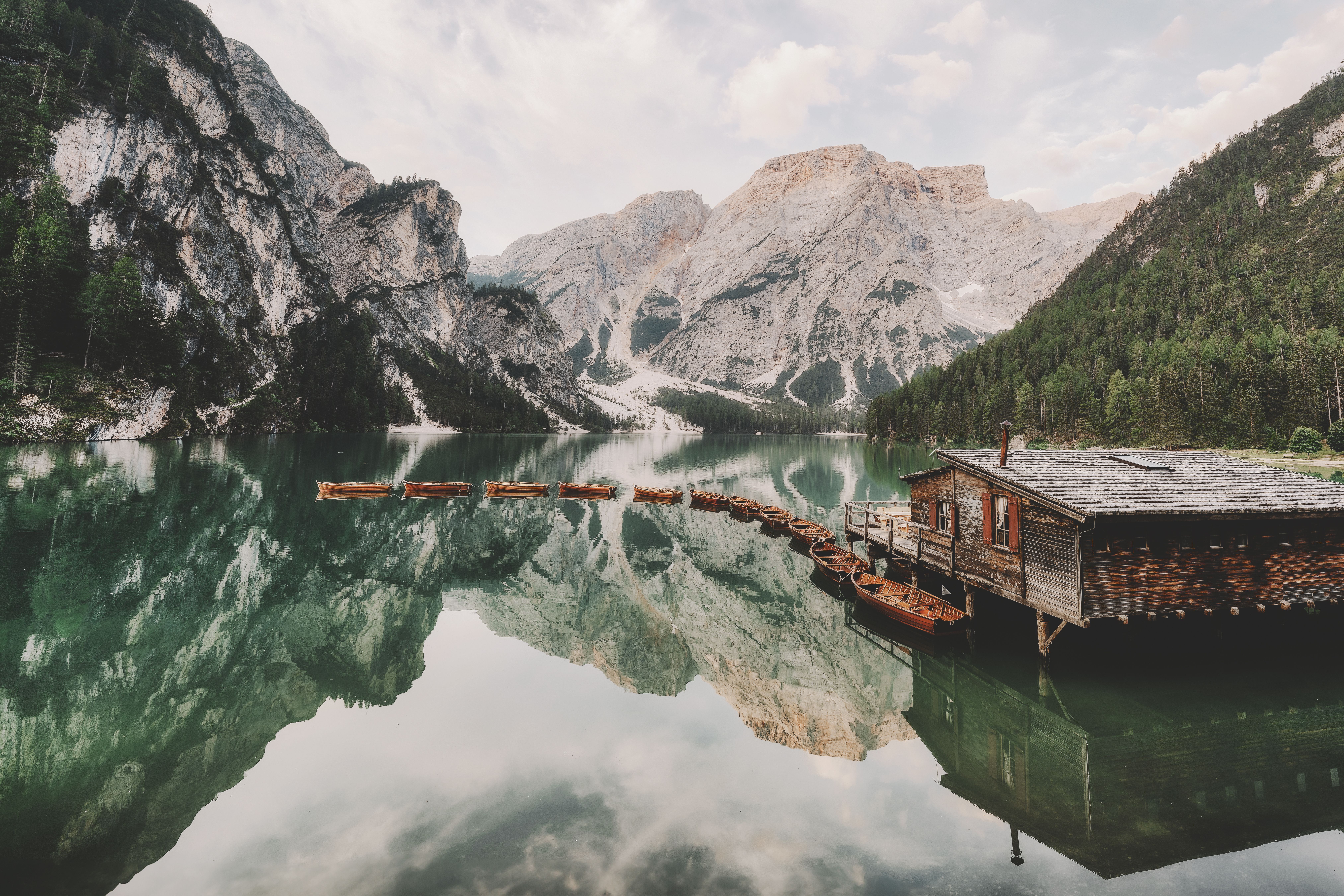
The Alta Via 1 runs approximately 120 kilometers across the northern Dolomites, from Lago di Braies south through Cortina d’Ampezzo and into the Val Gardena. The most direct luxury itinerary covers the route’s central section over six nights, with stages averaging 14 to 18 kilometers across passes that reach above 2,300 meters.
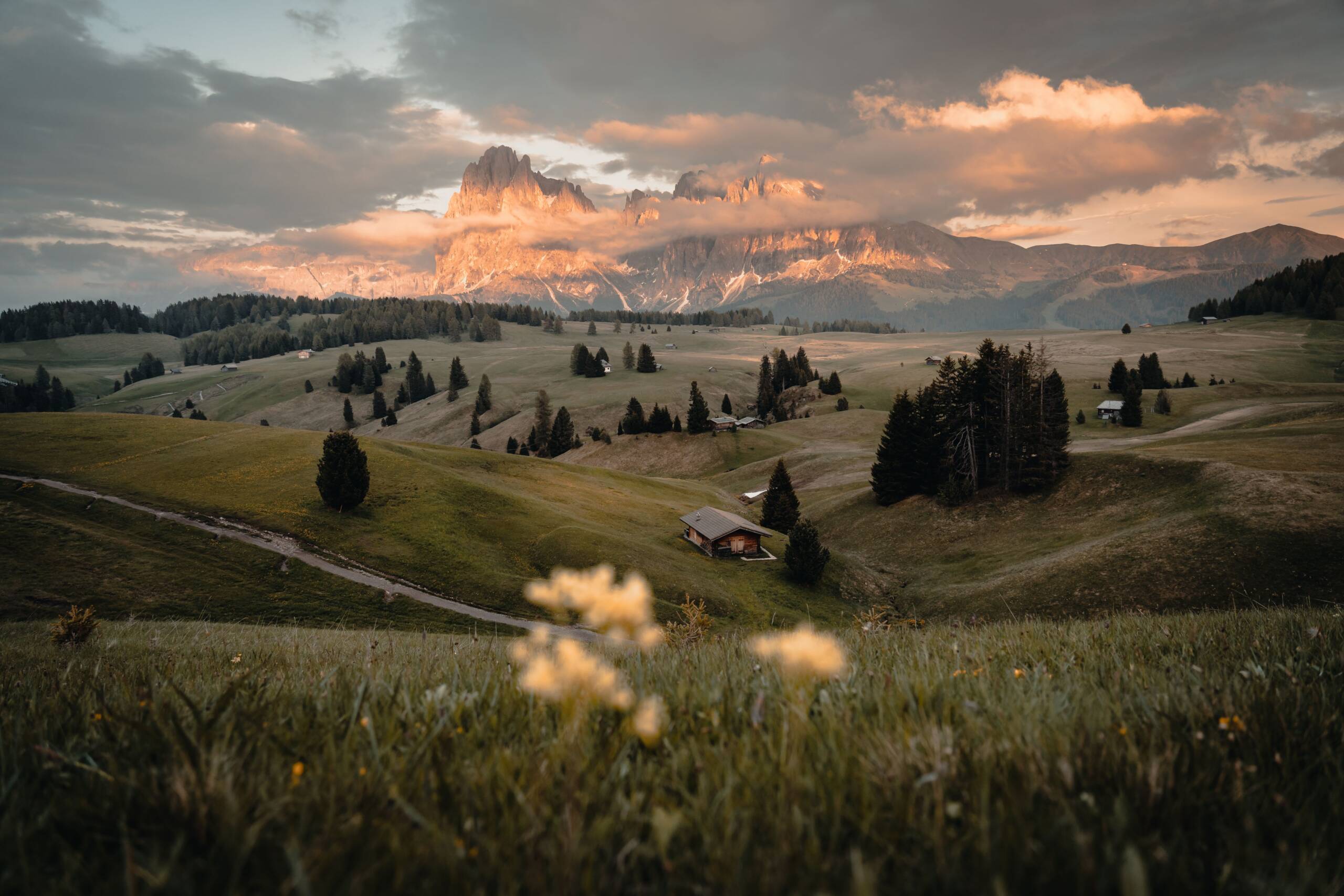
This is a true traverse. Stages gain and lose 700 to 900 meters of elevation each day. The trail moves through landscapes that photographs consistently fail to convey. The Tre Cime di Lavaredo from the north face at midday. The Sella Group dropping into the Val Gardena with the meadows far below. The Catinaccio catching the last twenty minutes of light.
The route has no technical sections requiring specialized gear, but it rewards preparation: appropriate footwear, a steady pace, and the willingness to stop when the terrain is doing something worth watching. The Alta Via has no equivalent in Europe for what it delivers over consecutive days inside a single landscape. Most travelers who have done it once come back to plan the next section.
The Porterage Calculation
The barrier to luxury-tier hut-to-hut hiking has always been the pack. Six nights at altitude with appropriate gear means carrying enough weight to degrade the experience by day two.
Porterage removes the calculation. A professional service transfers your luggage between each refuge while you hike with a daypack. You arrive at each hut with your bag already there, your room ready, your dinner reservation held.
The coordination layer is where the itinerary works or doesn’t. Which huts, in which sequence, with which porterage service operating which sections. Private rooms at the Alta Via’s best-positioned refuges fill by April. The three standout super hut nights on the Cortina-to-Selva Gardena section need to be confirmed before spring, months before most travelers begin planning their summer.
A private Dolomites mountain guide, arranged in parallel, handles daily navigation and adjusts the stage based on pace and conditions. The trail is waymarked, but the judgment calls — when to push the stage, when to pause at the Lagazuoi summit before descending — belong to the guide.
Access granted
The summer window for the Dolomites’ best hut positions runs from late June through mid-September. We recommend planning ahead, as private room availability at the top refuges is already constrained.
Our Travel Designers handle the full build: refuge selection, porterage coordination, private guide booking, and the sequencing that places the best overnight positions at the right points in the traverse. We know which kitchens take the local sourcing seriously and which terrace faces the Catinaccio at dusk.
Connect with our Travel Designers to plan your Alta Via traverse.
Our experts are waiting to help you discover somewhere extraordinary.
You might also like…

-
Corsica vs. Sardinia by Traveler Type
-
Musandam, Oman: Arabia’s Fjords
Three hours from Dubai, granite fjords drop into the Strait…
-
Best Shoulder Season Travel Windows, by Continent
Start building my trip
It all starts with a few details, then our travel experts will create an unforgettable experience just for you.
You’re invited to the club
We’re always adding new trip inspiration and exclusive articles. Share your email and never miss out.