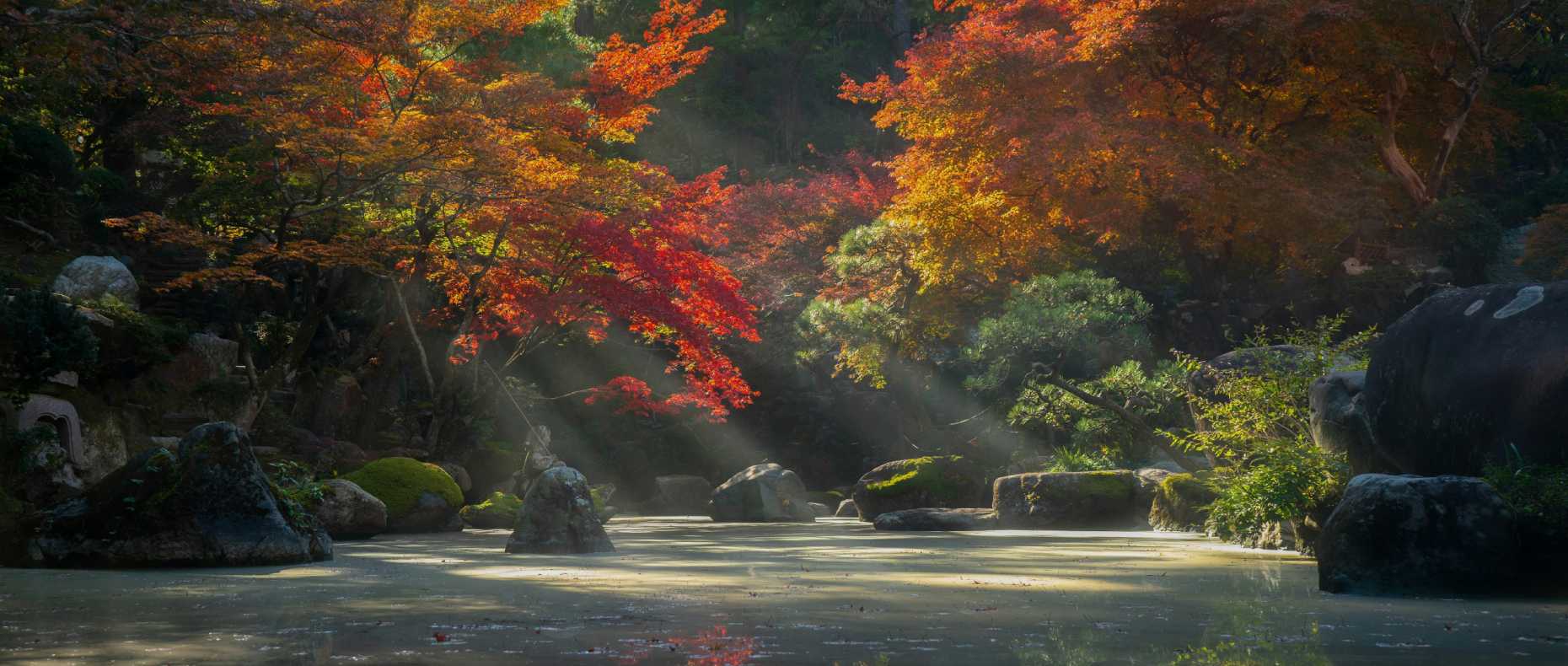
Japan in Fall: The Regions Most Travelers Never Reach

Kyoto in autumn is everything it’s been described as. The koyo — Japan’s annual autumn leaf season, when the maples and ginkgos turn in a wave that moves from north to south across the country — is genuinely one of the most beautiful natural events you can build a trip around. If Kyoto is on your list, it belongs there.
What most travelers don’t realize is that the koyo reaches far beyond Kyoto. The same season plays out across mountain towns and northern regions that the standard Japan itinerary skips entirely, and the travelers discovering them are finding a version of fall that feels less like a destination and more like a country revealing something it has kept mostly to itself.
The result feels less like a museum piece and more like a boutique hotel.
The Season Moves North to South
Koyo doesn’t arrive all at once. It starts in Hokkaido in late September, travels down through the Japanese Alps and the mountain regions of Tohoku, and reaches Kyoto and the southern cities in November. This means that the fall season is available for nearly two months.
Mid-October in the Japanese Alps looks nothing like mid-October in Osaka, which is part of the draw. The larches above Kamikochi turn gold while the cities below are still green. The mountain valleys of Tohoku peak weeks before the crowds descend on the famous temples further south. Traveling with the season rather than to a fixed date opens up a version of Japan most visitors never encounter.

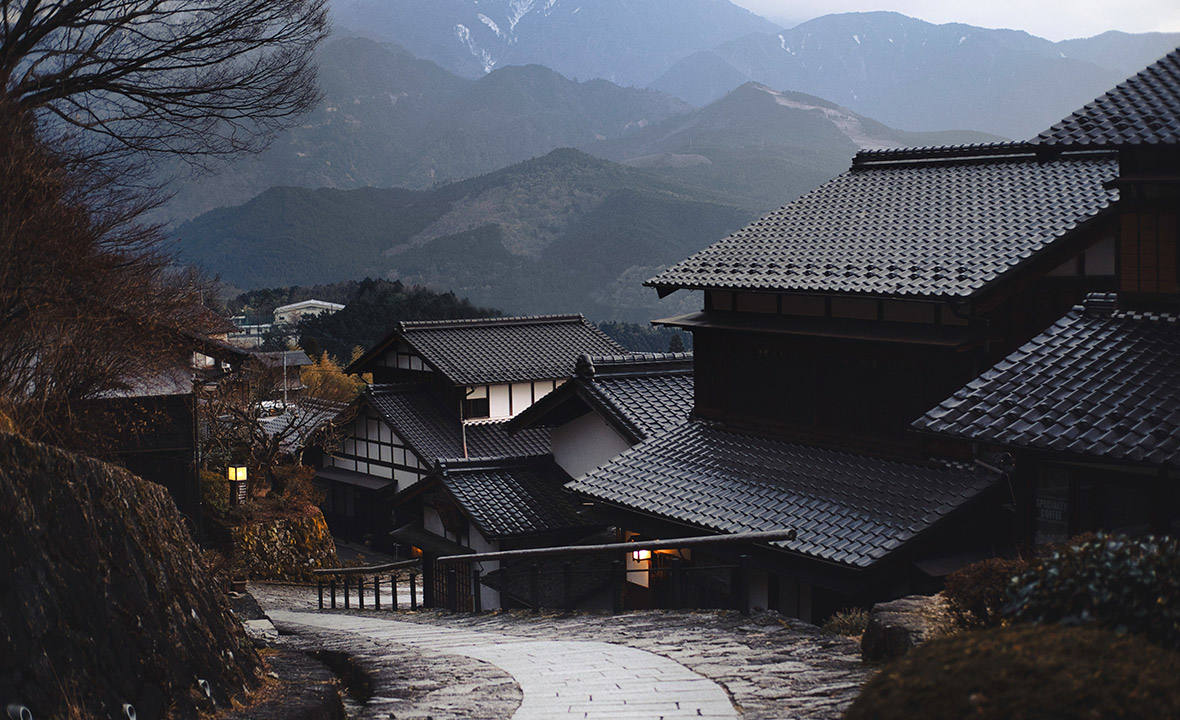
The Kiso Valley, Nagano Prefecture
The old Nakasendo highway once connected Kyoto and Edo through the mountains of Nagano Prefecture. The post towns built to serve that road have been so carefully preserved that the cedar-plank facades and stone pathways look essentially unchanged from the Edo period. In October, the hills above the valley turn copper and rust, the morning fog sits until mid-morning, and the only sound on the road between the two towns is water running through the stone channels alongside it.
Getting here requires intention, with a train to Nagoya, then a local line into the mountains, but it’s worth it. The travelers making the effort are finding one of the most atmospheric places in Japan.
Try: Oyaki, small dumplings filled with pickled vegetables or mushrooms, cooked on a griddle. These are sold from wooden storefronts along the Nakasendo. These are special to Nagano, and we recommend eating them standing up, just like the locals.
Yamadera, Yamagata Prefecture
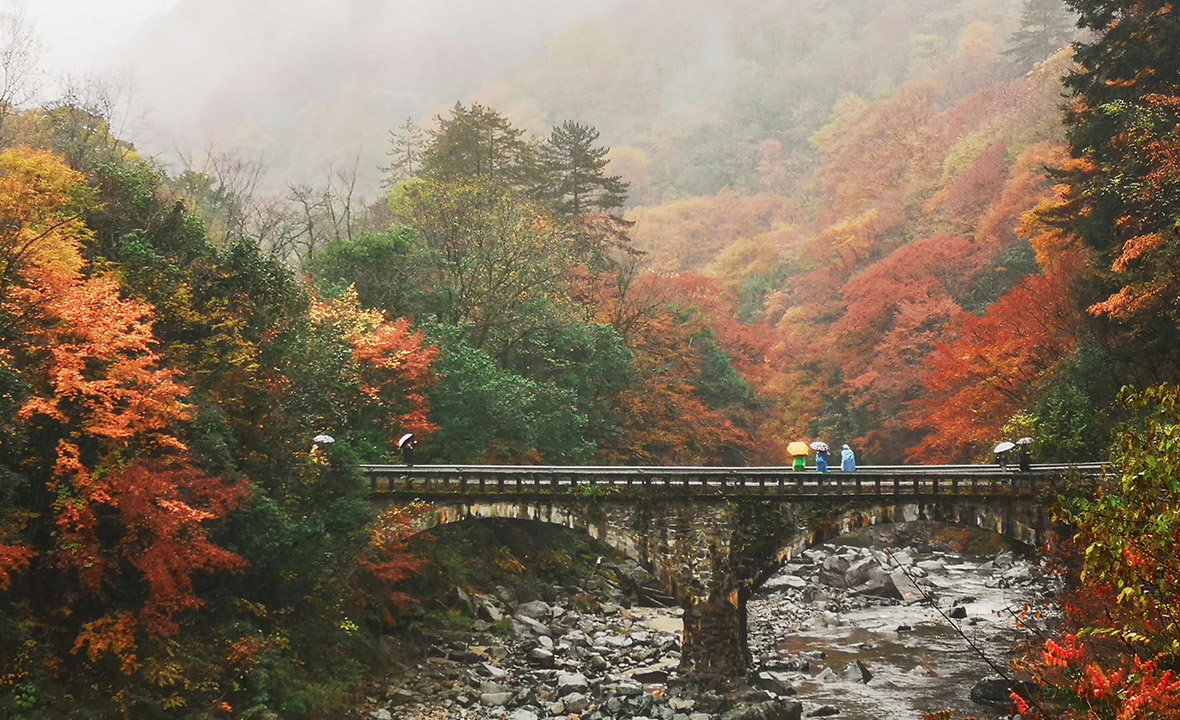
You’ll have to climb 1,000 stone steps through a forest to reach Yamadera, but it’s worth it. This is a temple complex built into a clifftop in the mountains of Tohoku. Most visitors come from Sendai for a few hours, but the ones who stay find a serene mountain town, a small ryokan with mineral baths fed by local springs, and hillsides in late September that look otherworldly.
Yamagata Prefecture is three hours from Tokyo by shinkansen and rarely makes people’s first Japan itinerary. It tends to appear on the second or third one, recommended by someone who went and came back saying that they’d found something most people miss.
Try: Imoni, a taro and beef stew that is Yamagata’s defining autumn dish, cooked in enormous cast-iron pots over open fires along the riverbanks. It is a seasonal ritual as much as a meal.
Nikko, Tochigi Prefecture
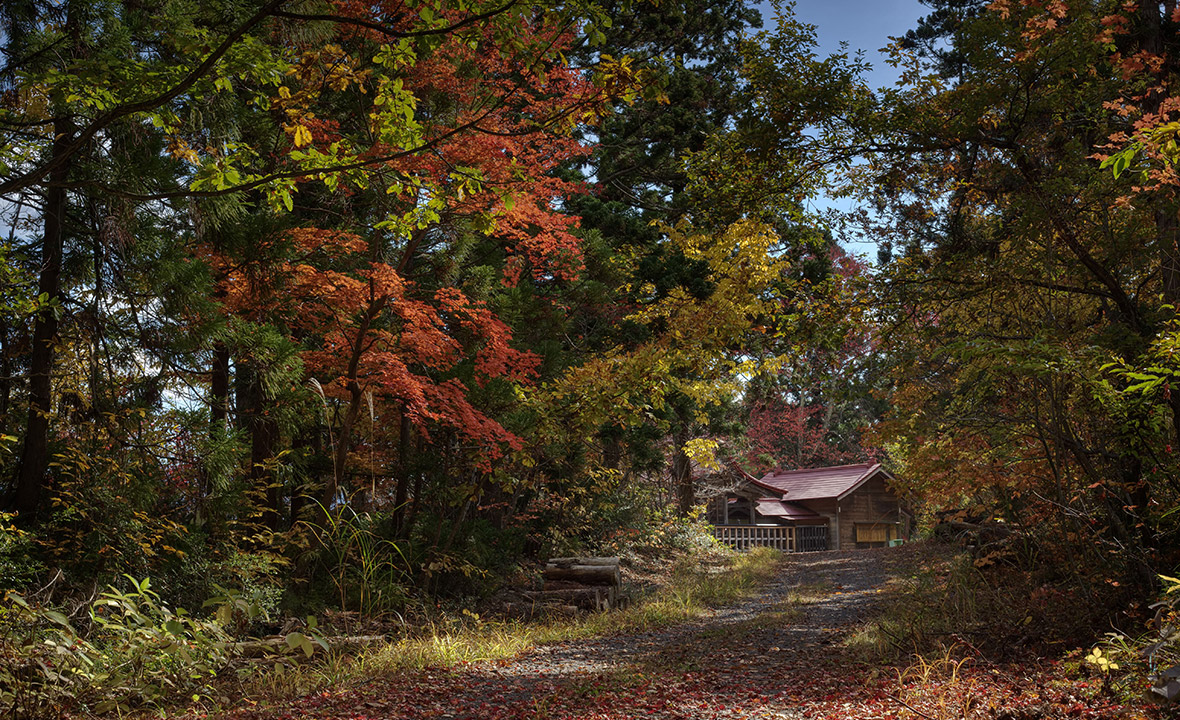
Two hours north of Tokyo, Nikko is well-known and still under-seen. The Toshogu shrine complex, with extravagant lacquerwork and gold leaf set against centuries-old cedar, is one of the most architecturally impressive places in Japan. The avenue of cedar approaching the shrine, planted in the 1600s, turns the approach into something ceremonial, and you can’t beat the mountainous backdrop.
Most visitors do Nikko as a day trip from Tokyo, but we suggest spending the night. After the day visitors clear, the lanterns in the shrine complex come on, revealing a town that has been operating for four hundred years.
Try: Yuba, tofu skin, a Nikko specialty unlike anything served elsewhere in Japan. It’s paper-thin and delicate, and the one thing locals will tell you not to leave without eating.
Access granted

Connect with one of our Travel Designers to build your Japan fall itinerary — regional routing, ryokan access, and seasonal timing included.

Our experts are waiting to help you discover somewhere extraordinary.
You might also like…

-
5 Best Skillcation Destinations of 2026
The word “skillcation” sounds like a marketing portmanteau because it…
-
Musandam, Oman: Arabia’s Fjords
Three hours from Dubai, granite fjords drop into the Strait…
-
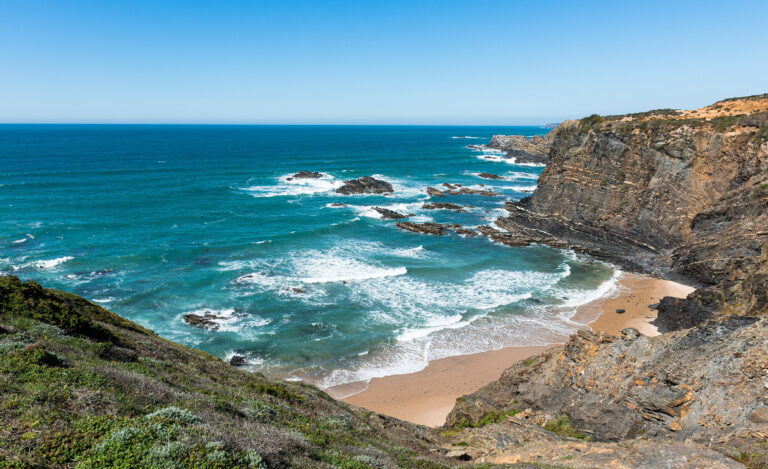
Alentejo, Portugal: The Trip Worth Skipping Lisbon For
Alentejo is Portugal’s wine country and cork forest region, an…

Start building my trip
It all starts with a few details, then our travel experts will create an unforgettable experience just for you.

You’re invited to the club
We’re always adding new trip inspiration and exclusive articles. Share your email and never miss out.