After-Hours Access at the Louvre, Uffizi & Vatican

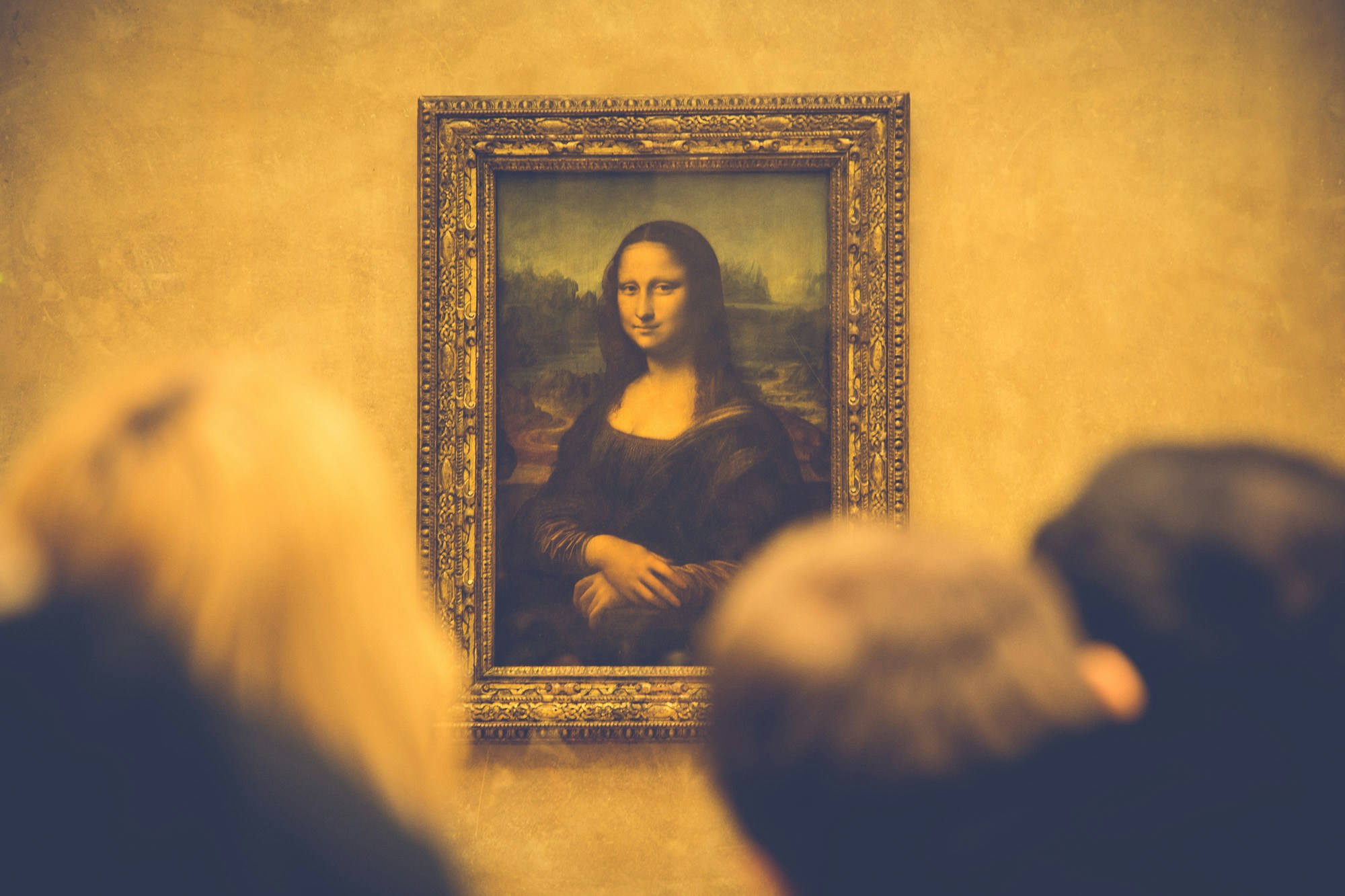
Stand in front of the Mona Lisa at two in the afternoon and you might leave without being able to tell anyone what its frame looks like.
Someone’s elbow is in your back, a dozen phones are held overhead, and a guard keeps telling the line to keep moving. Eight hundred people fit in that room. Some afternoons, it feels like all of them showed up at once.
There’s another version of that room, though.
Nine at night, maybe four people total, and an art historian talking through brushwork like nobody’s waiting behind you. We didn’t believe it was real either until we booked it ourselves.
The Museums Clearing Their Own Rooms
This year all three – the Louvre, the Uffizi, and the Vatican Museums – expanded their paid after-hours programs, and the pitch at each one is basically the same. The public files out, a small number of paying guests stay behind, and suddenly you’ve got these enormous rooms to yourselves. One industry write-up called it “monetizing silence.” Fair, probably. The museums themselves call it conservation funding, or crowd management, depending on who’s asking. Whatever the framing, you end up buying the same thing either way: fewer bodies between you and the art.
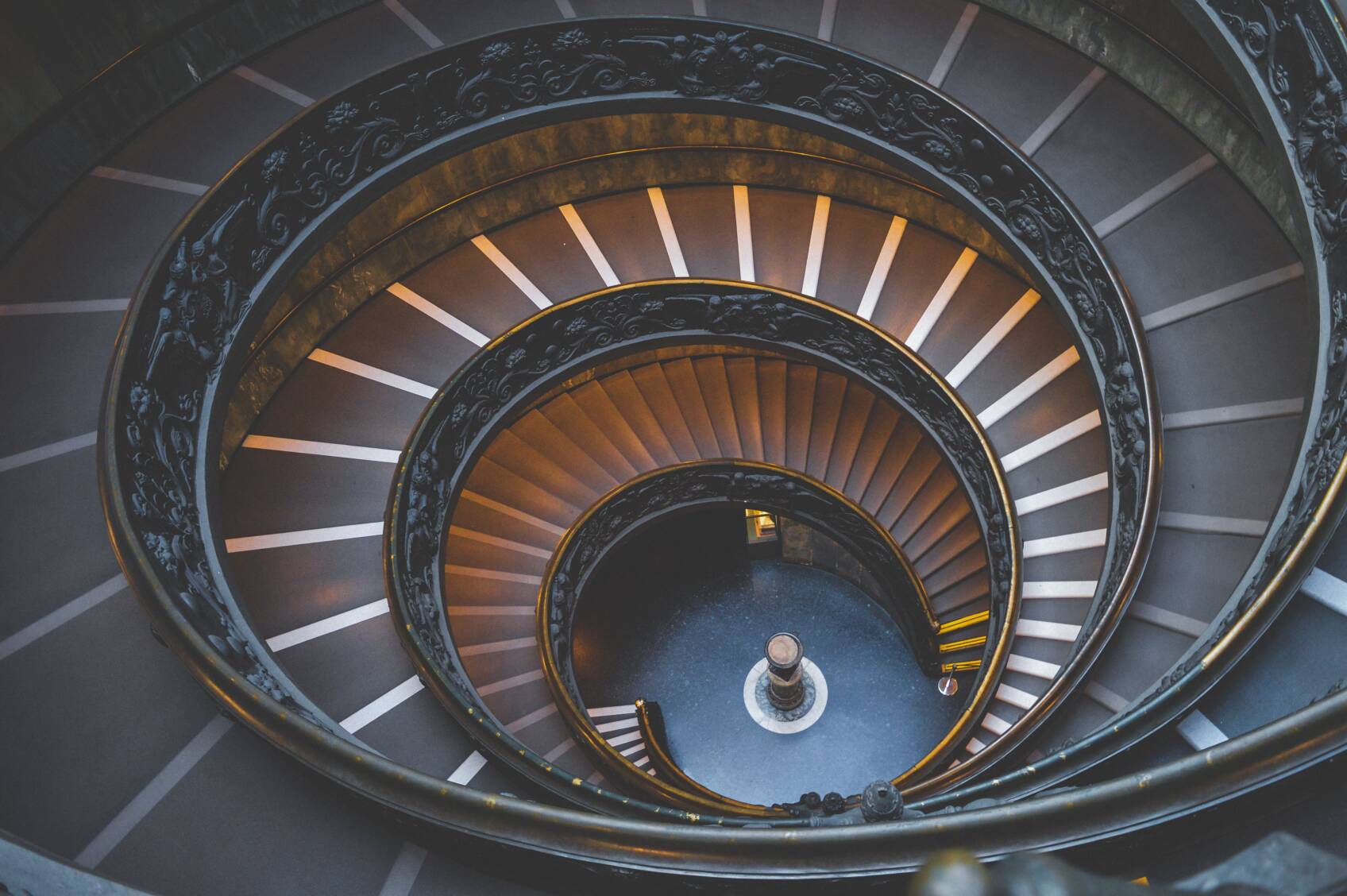
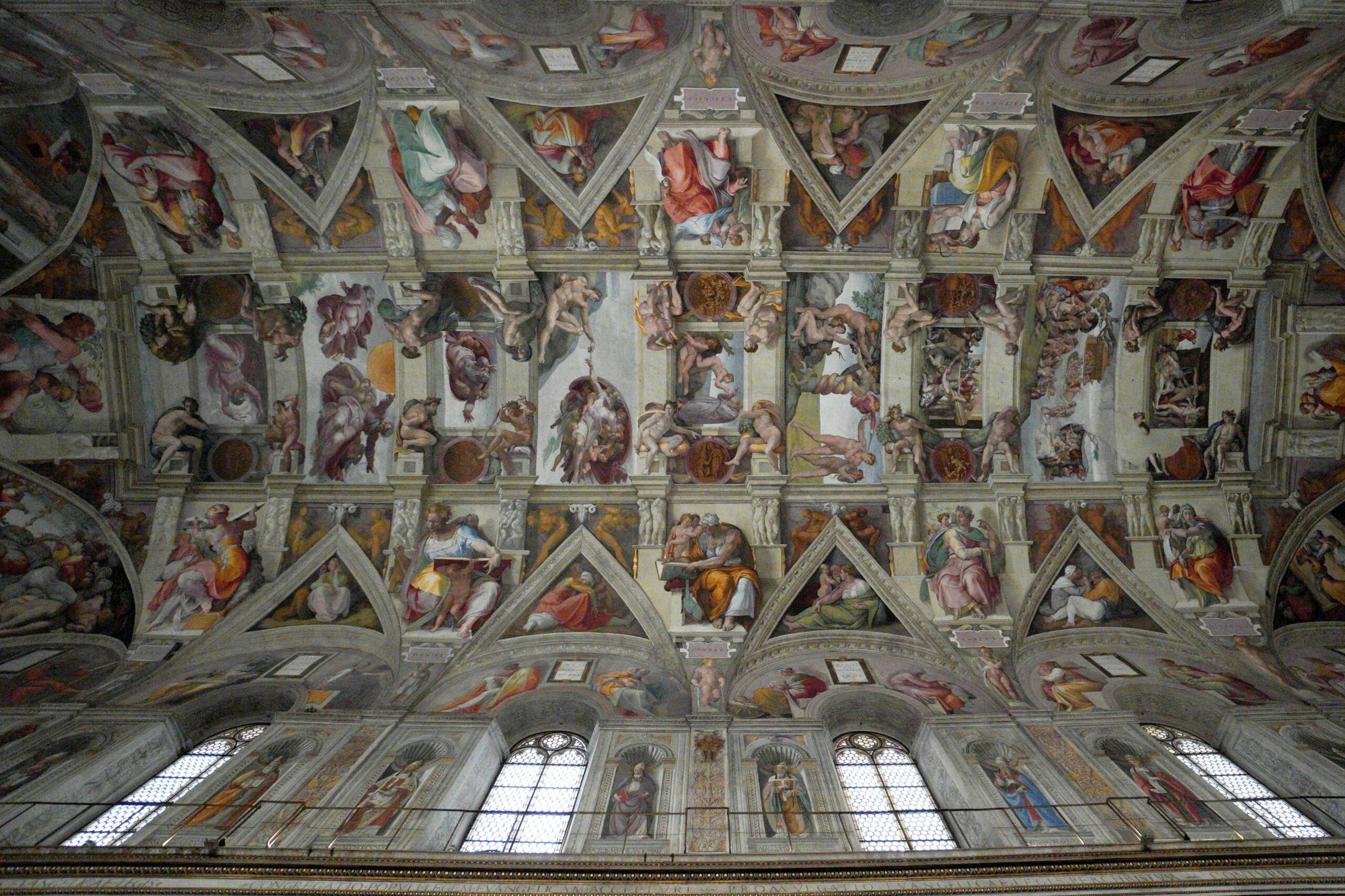
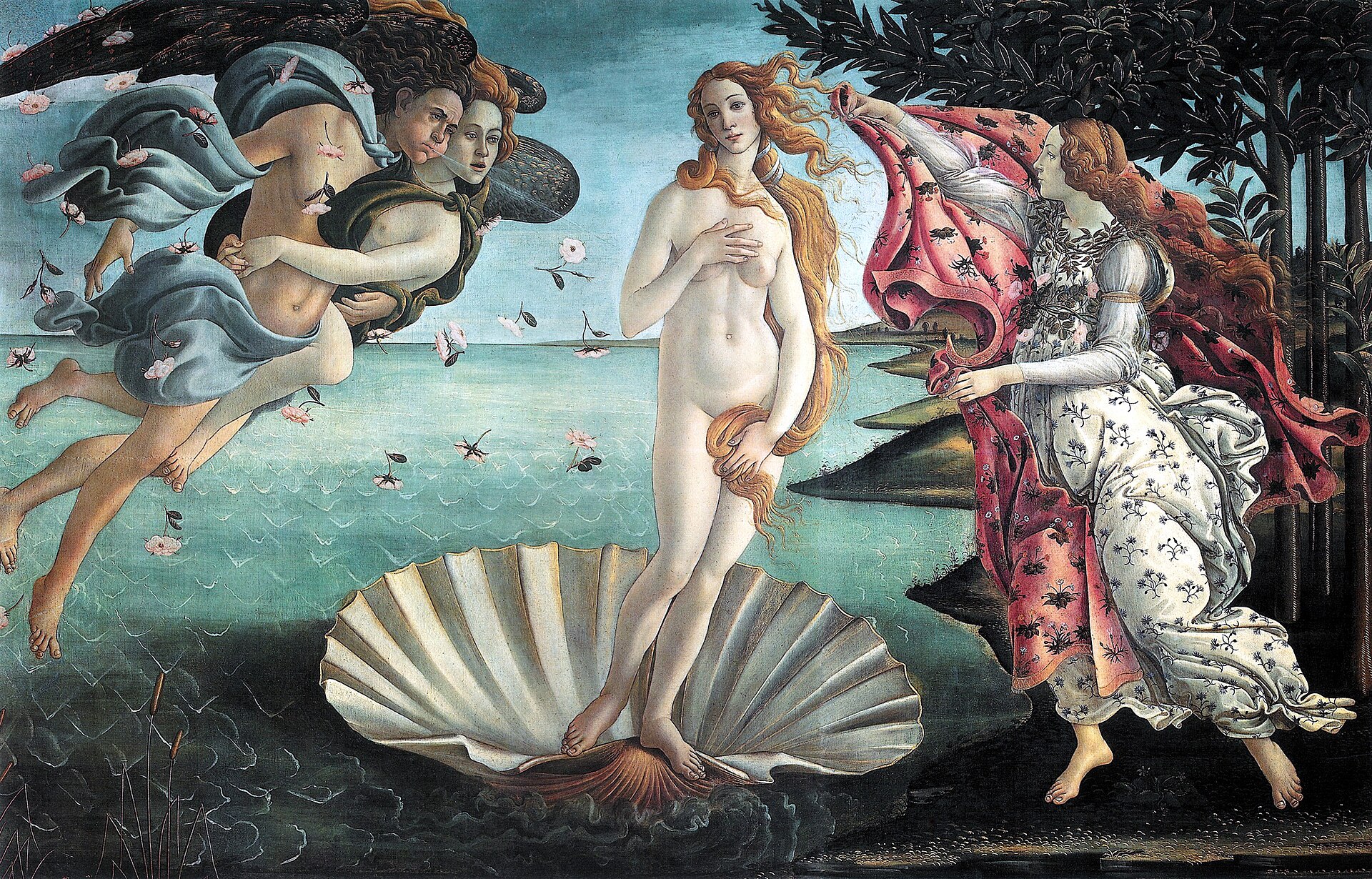
The Vatican’s version wraps up inside the Sistine Chapel, the ceiling lit and the whole space quiet enough you can hear yourself walking, which tells you something about the noise level in there most days. Over at the Uffizi it works the other way around: small groups get into the Botticelli rooms before the museum opens at all, so the Birth of Venus greets you first thing rather than something you have to shoulder past a crowd to see by noon. The Louvre runs it similarly, just with the Mona Lisa and the Denon wing instead, once the regular ticket holders have cleared out for the night and one guide is setting the pace instead of a clock.
None of these programs run large. A Vatican evening slot is a fraction of the size of a typical daytime tour group, and the Louvre caps its after-hours numbers well below what the Salle des États normally holds during the day. Fewer people in the room gets you closer to what these museums actually felt like before mass tourism arrived.
What the Extra Hour Actually Buys
A standard timed-entry ticket gets you through the door. It doesn’t get you any real time in front of anything. The Louvre alone pulls in something like nine million visitors a year, and the crowd around the Salle des États rarely thins out before closing.
A private evening slot changes that completely because you get real, fixed time with one piece instead of thirty seconds before the next group shoves in behind you. You get a specialist answering actual questions instead of a recorded loop timed to keep foot traffic moving. Mostly, you get to just stand still, which turns out to be the rarest thing a major museum can offer anyone.
The narration matters as much as the empty room does. A general audio guide covers a piece in ninety seconds and moves on automatically. An art historian walking four people through the same room will linger on one detail, a restoration choice, initials hidden somewhere in the frame, for as long as the group wants to look. That kind of pacing simply doesn’t exist on a public floor, no matter how the ticket was booked.
Rome, Paris, and Florence Selling the Same Idea
Three cities offering the same kind of access in the same year is rarely a coincidence. It usually signals something permanent rather than a passing seasonal push. Private chef’s-table dining went through a similar shift a decade back, moving from a rare favor to a standard offering at the world’s best restaurants.
What’s different here is what’s actually being rationed. A restaurant can always add another table. The Sistine Chapel can’t add square footage, and there’s only one Mona Lisa. When the thing you want access to is fixed and demand keeps climbing anyway, the only lever an institution has left is who gets in, and when. Evening access is that lever.
Why This Is Worth Booking Now
These programs are still new enough that seats are limited by capacity rather than marketing scarcity. A major restoration can take years. A museum evening slot takes one phone call, assuming you know who to ask and how far in advance these calendars fill up, and that window keeps narrowing each season these programs run.
Our Travel Designers already build European city itineraries around access and timing rather than a checklist of sights. Adding a private evening at the Louvre, the Uffizi, or the Vatican Museums to a Paris, Florence, or Rome stay tends to turn one afternoon into the part of the trip everyone remembers.
Access granted

The rooms haven’t changed. What’s different is who else is standing in them, and for how long you get to forget anyone else is there at all.
Connect with our Travel Designers to arrange private after-hours access at the Louvre, the Uffizi, or the Vatican Museums as part of your next European itinerary.

Our experts are waiting to help you discover somewhere extraordinary.
You might also like…

-
Faraway Sag Harbor: The Hamptons’ New Harborfront Hotel
Baron’s Cove sat on Sag Harbor’s waterfront for years. Shingle-style,…
-
5 Best Skillcation Destinations of 2026
The word “skillcation” sounds like a marketing portmanteau because it…
-
Dolomites Hut-to-Hut: The Luxury Version
Start building my trip
It all starts with a few details, then our travel experts will create an unforgettable experience just for you.

You’re invited to the club
We’re always adding new trip inspiration and exclusive articles. Share your email and never miss out.