Musandam, Oman: Arabia’s Fjords

Mention “fjords” to a travel agent in Dubai and you’ll usually get a confused pause, then a finger pointed north past the mangroves toward a chunk of Oman the map barely acknowledges.
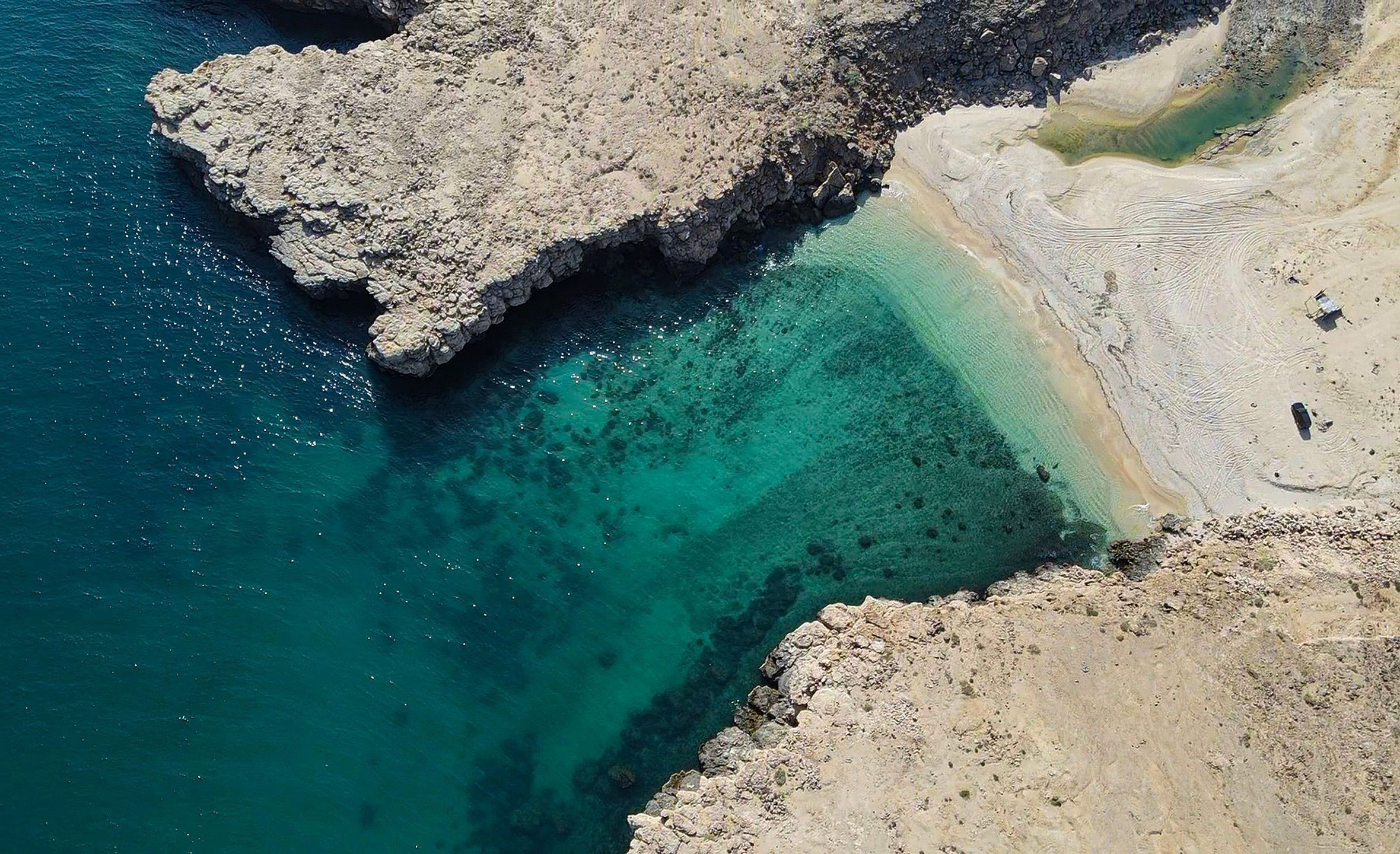
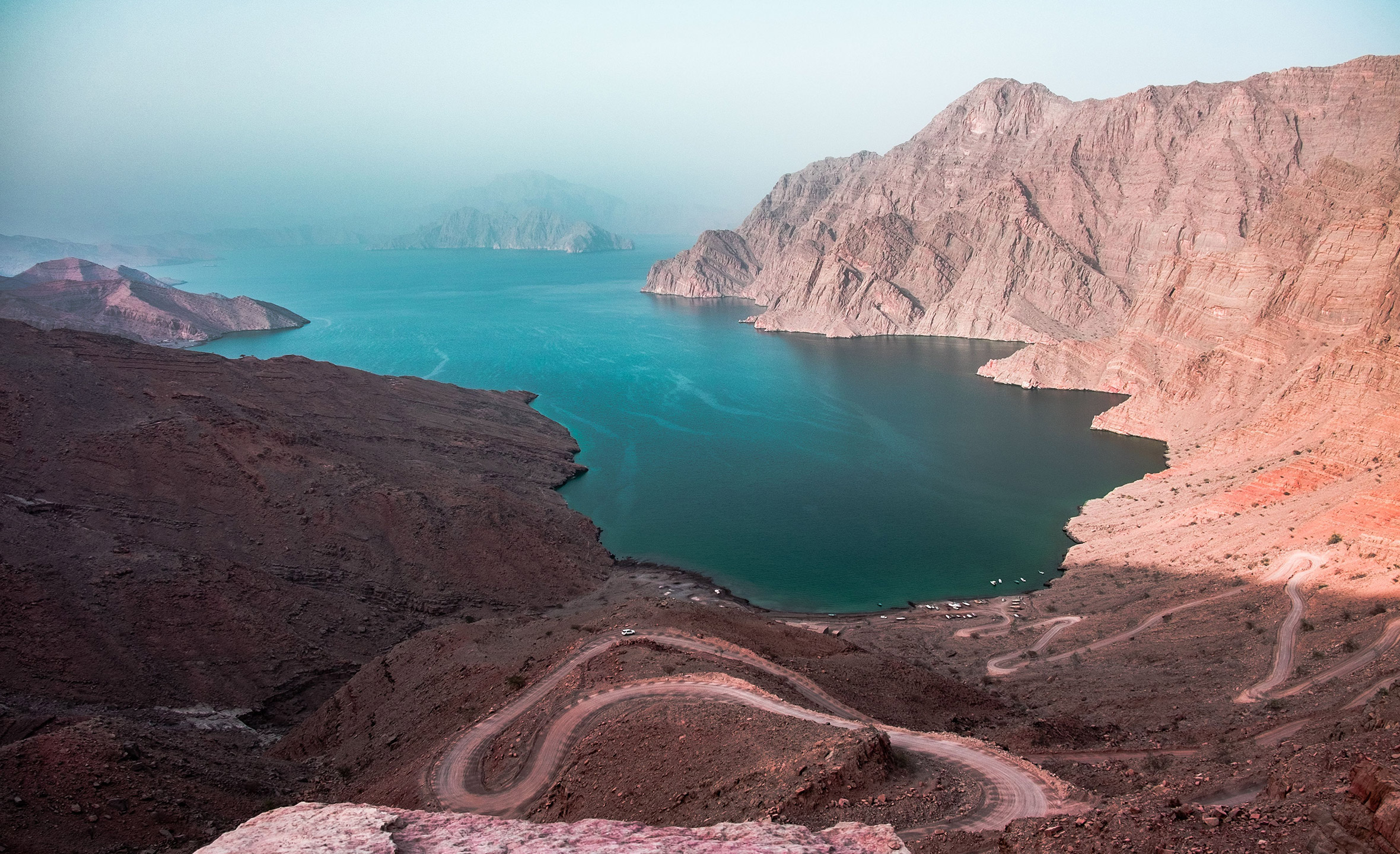
Musandam is separated from the rest of its own country by roughly a hundred miles of UAE territory, and the cliffs there drop into water so flat and clear it barely registers as sea. People started calling it the Norway of Arabia decades ago, half-joking about how the scenery didn’t match the postal address. Nobody’s joking anymore. Club Med broke ground on its first Gulf property here in early 2026, with doors opening in 2028, and that single fact resets the clock on how long this version of Musandam sticks around.
The fjords nobody’s built a circuit around
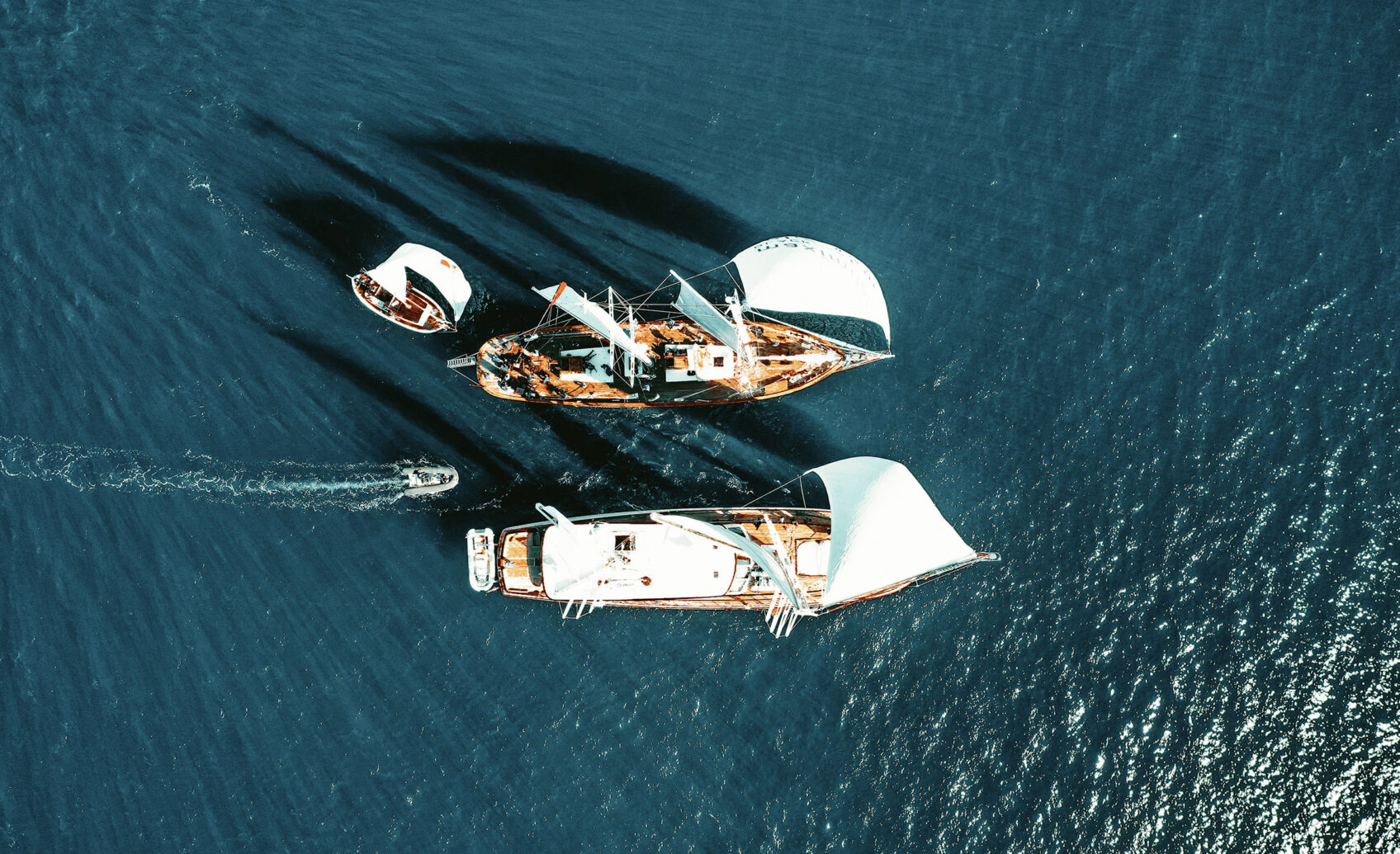
The thing everyone comes for is the cruise through Khor Sham, a set of inlets so narrow that a wooden dhow drifting through them looks almost comically small next to the rock walls. Most tour operators sell a day version, stopping at Telegraph Island so guests can snorkel where a British cable relay station once linked London to Bombay before anyone thought to build a phone. It’s a nice stop, but there’s so much more to see.
The overnight version on a dhow is worth it, and a small number of operators now run this trip with actual cabins instead of a communal mattress on the open deck, which changes the calculus considerably if you’re booking for a couple. You anchor in a sheltered bay after the afternoon cruise, wake up early enough to catch the fjords before the day-trippers arrive, and get a second pass at the water with almost nobody else on it. Ask specifically for the private-cabin dhow when a Travel Designer builds this out. The difference between that and the shared deck version isn’t subtle.
Khasab itself, where these boats leave from, is just a fishing town with a Friday goat market and an old fort worth twenty minutes. There’s nothing here competing with the water for your attention, which is sort of the whole argument for coming.
If an operator can route you past Kumzar, take it. It’s a fishing village at the tip of the peninsula that has no road connecting it to anywhere, so everyone and everything arrives by boat. The people who live there speak Kumzari, a language that exists nowhere else on the planet as far as linguists have been able to determine. Most of the standard dhow routes skip it entirely because it adds time nobody’s paying for on a shared tour. A private charter has room for the detour though, and it’s the kind of stop that sticks with you, instead of the seventh photo of the same fjord.
What’s arriving, and what that means for timing
Musandam’s underdevelopment is the whole draw right now, but it’s closing faster than most people planning a trip here realize. Club Med Musandam is coming soon with 300 rooms and 600 meters of beachfront, backed by a construction budget north of 100 million dollars from Oman’s tourism authority and its equity partners, built around Omani architectural references rather than the brand’s standard playbook. Alongside it, a group called Alie Nivas, working with the Mohsin Haider Darwish family business, has plans for 30 cliffside villas with a serious restaurant and private wellness suites attached, aiming to be the peninsula’s first hyper-luxury address. There’s a third project, Khasab Adventures, pitching raised glamping platforms with private plunge pools cut into the mountainside above the water. None of these are open yet.
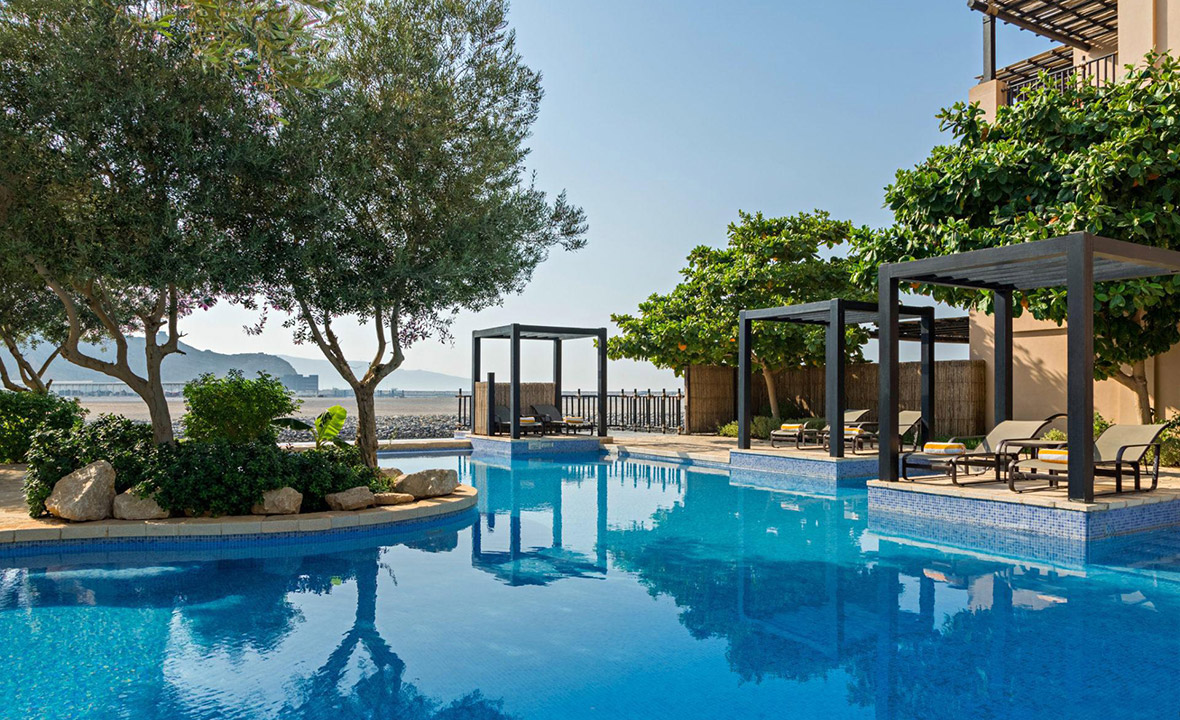
Right now the best land base going is the Atana Musandam Resort in Khasab: 105 rooms cut into the hillside, sea-facing balconies, a small desk that’ll set you up with diving or a fishing charter. Two nights there between water days would work well.
Getting there without joining a bus tour
The default way most people see Musandam is crammed onto a day-tour coach out of Dubai with forty strangers, which tells you something about how few people have thought to do it differently. It doesn’t have to go that way. The drive from Dubai runs about two hours, closer to four once you account for the border crossing at Al-Dara into Ras Al Khaimah territory and on to Khasab. UAE residents get a visa on arrival that’s good for fourteen days; everyone else should sort an eVisa before departure, which buys up to thirty days. Arrange a private car and driver the night before and the border stops being a logistics headache and becomes just another part of the drive.
Or, better, don’t treat it as a day at all. Build it as a two or three night extension onto a longer Gulf trip. Ras Al Khaimah sits closer to the Musandam border than Dubai does, which makes it the smarter anchor, and it happens to have Jebel Jais next door, home to the world’s longest zipline, in case you want a day that has nothing to do with boats.
When to go
Go between October and April. Daytime temperatures sit in the 70s and 80s instead of the triple digits that turn a full day on deck into an ordeal by noon, and the fjords themselves run calmer through the winter months. The one catch: December and January pull heavier weekend crowds from across the UAE border, so if solitude matters more to you than convenience, aim for a Tuesday or Wednesday departure instead.
Skip the shared day tours. They’re a fine introduction to the region, but the overnight private-cabin version is a different experience entirely, and at this particular moment in Musandam’s development, that boat is arguably still the best hotel on the peninsula.
This is a trip for people who’ve already done the obvious Gulf circuit and want the version nobody’s put on a postcard yet. Dubai is close enough to fold this trip into a plan you already had, and somehow almost nobody does.
Access granted

Our Travel Designers are already tracking the small hotels and private charter operators here directly. They can build the two-city routing, lock in the right dhow, and handle the border paperwork before you’ve packed a bag.
Connect with one of our Travel Designers to build a Dubai-Musandam itinerary around the private overnight dhow.

Our experts are waiting to help you discover somewhere extraordinary.
You might also like…

-
5 Best Skillcation Destinations of 2026
The word “skillcation” sounds like a marketing portmanteau because it…
-
Nihi Rote: Inside Indonesia’s Newest Island Hotel
Nihi’s second Indonesian resort opened April 2026 on remote Rote…
-
San Sebastián: the Euro Summer Culinary Capital
Pintxos bars, four Michelin-starred kitchens within 30 minutes, and the…
Start building my trip
It all starts with a few details, then our travel experts will create an unforgettable experience just for you.

You’re invited to the club
We’re always adding new trip inspiration and exclusive articles. Share your email and never miss out.