Oaxaca for Travelers Who Already Know Mexico

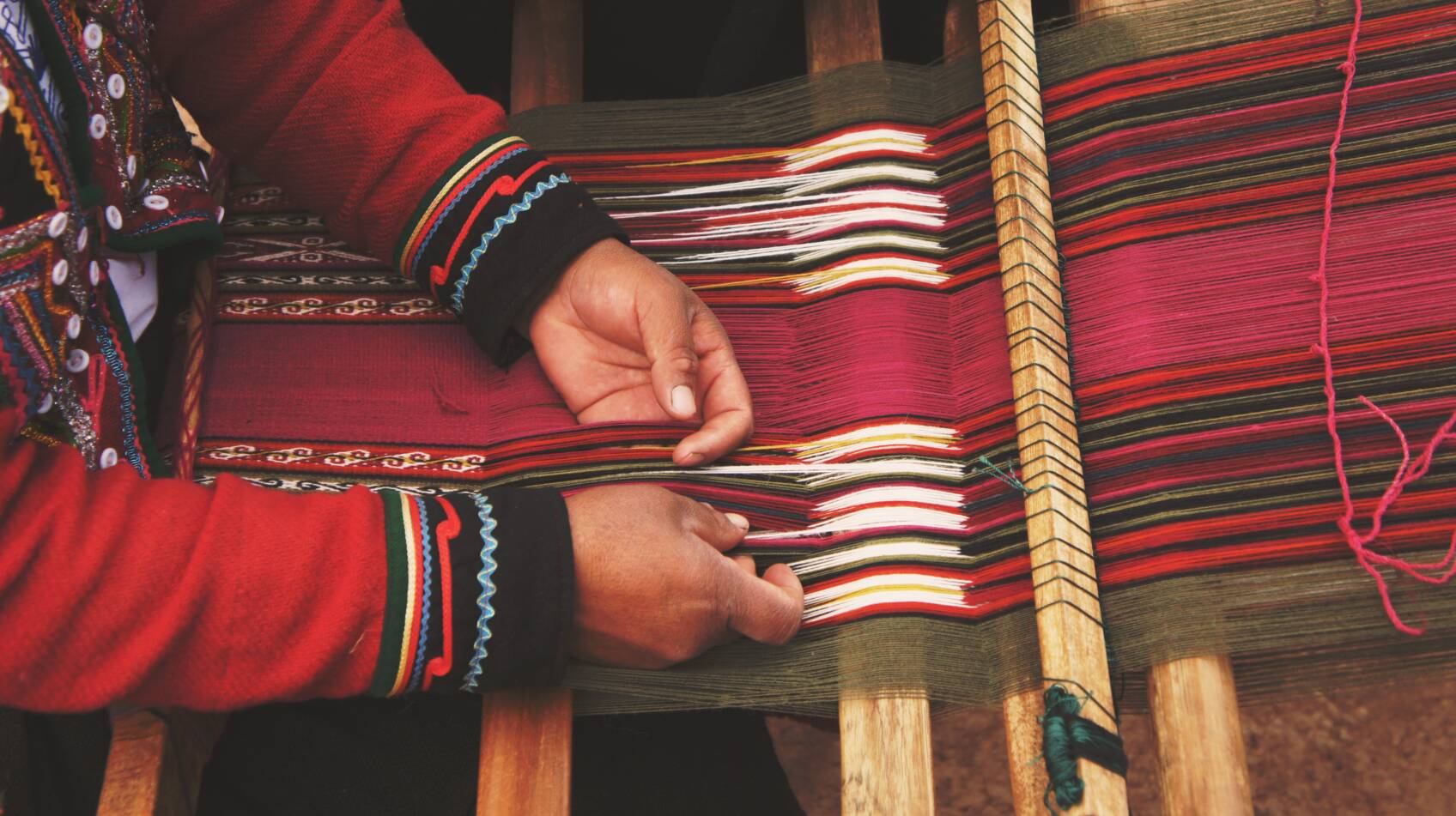
Four months. That is what a weaver in Teotitlán del Valle needs to finish one rug, and the clock only starts once the cochineal insects have been boiled down with limestone into a red no dye house can replicate.
Nobody has shortened this process in twenty-five centuries – not for hotel restocking schedules, not for a faster export deadline – which is exactly why Oaxaca is where luxury travelers circle back to once they have already “done” Mexico.
Oaxaca has drawn chefs, collectors, and serious eaters for years on the strength of its markets and its mezcal alone.
What changed recently is everything built around it: a hotel circuit finally caught up to the destination, and the routes into mezcal country and the weaving villages got easier to book properly instead of piecing together with a driver and a hope.
The Mezcal Route Beyond the Tasting Room
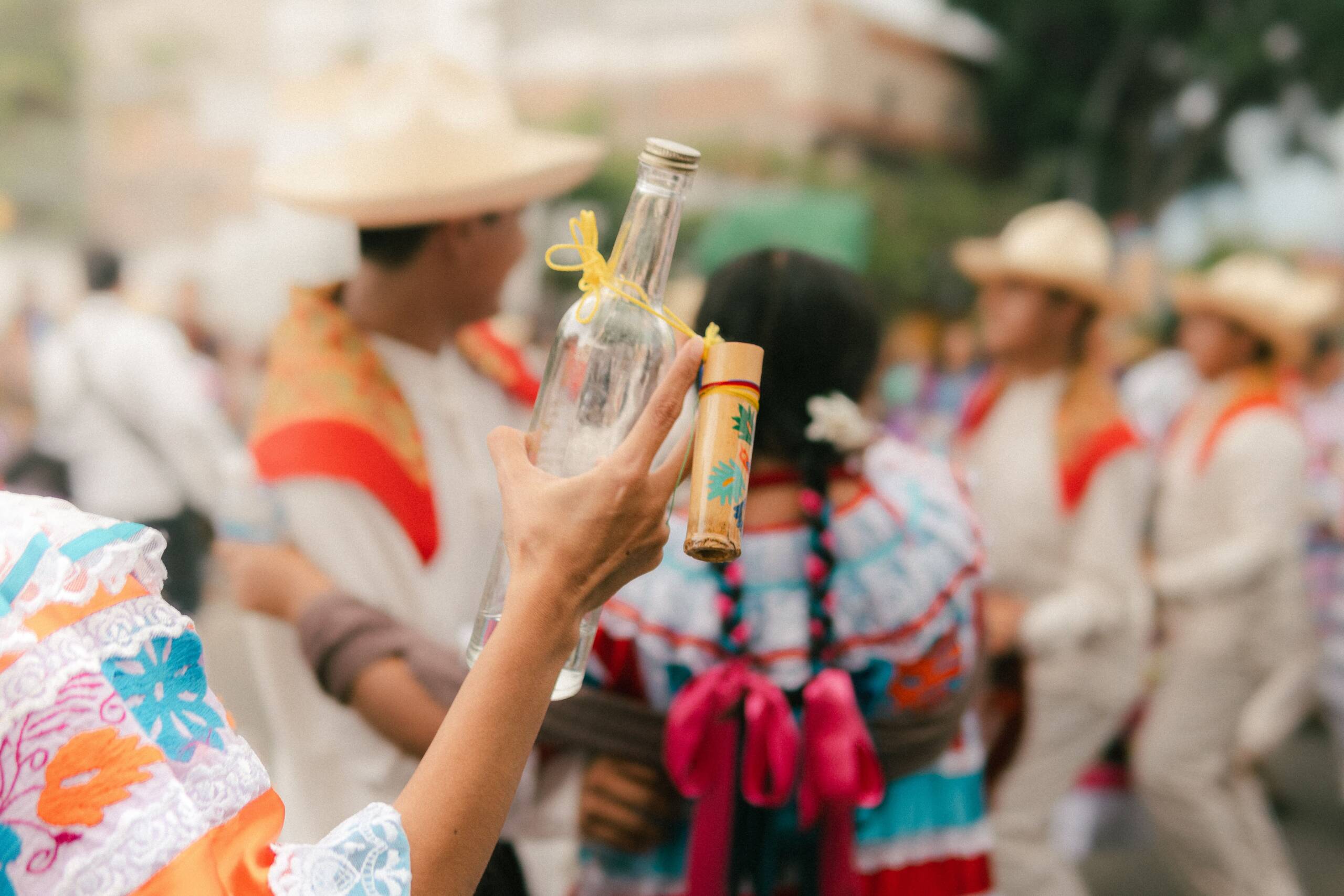
The mezcalerías in the Centro are for tourists killing an afternoon between meals. Real mezcal education happens forty minutes out, at family palenques in Santa Catarina Minas, Sola de Vega, and Miahuatlán. Clay pots mean ancestral production, the same method these families have used for generations. Copper alembics mean a producer chasing a cleaner, more modern profile, and pouring both side by side settles the argument quickly.
None of these operations post hours or hang a sign out front, so the visit lives or dies on whether your driver actually knows the families by name. Our Travel Designers route two or three palenques in a single day, chosen for maguey variety rather than proximity, so the day builds an argument about terroir instead of a string of shot glasses.
Where the Rugs Actually Get Made
Teotitlán del Valle sits thirty minutes east of the city, a Zapotec town where weaving isn’t staged for visitors, it’s the local economy. Roughly eight out of ten families here have someone at a loom, spinning wheel, or dye vat on any given week. The colors come from what’s on hand rather than a swatch book: cochineal beetles for red, indigo for blue, pericón flowers and pomegranate rind for the ochres and greens running through most rugs. Casa Don Juan runs the version of this demonstration that shows the vats and grinding stones, not a five-minute performance timed to a tour bus schedule.
The town of Santa Ana del Valle, a short drive further, gets far fewer visitors and is worth the extra stop for travelers who want to buy directly from a loom rather than a showroom. This is where our Travel Designers earn their reputation: knowing which families sell to galleries in Mexico City and which sell only from home.

A Hotel Circuit That Finally Caught Up
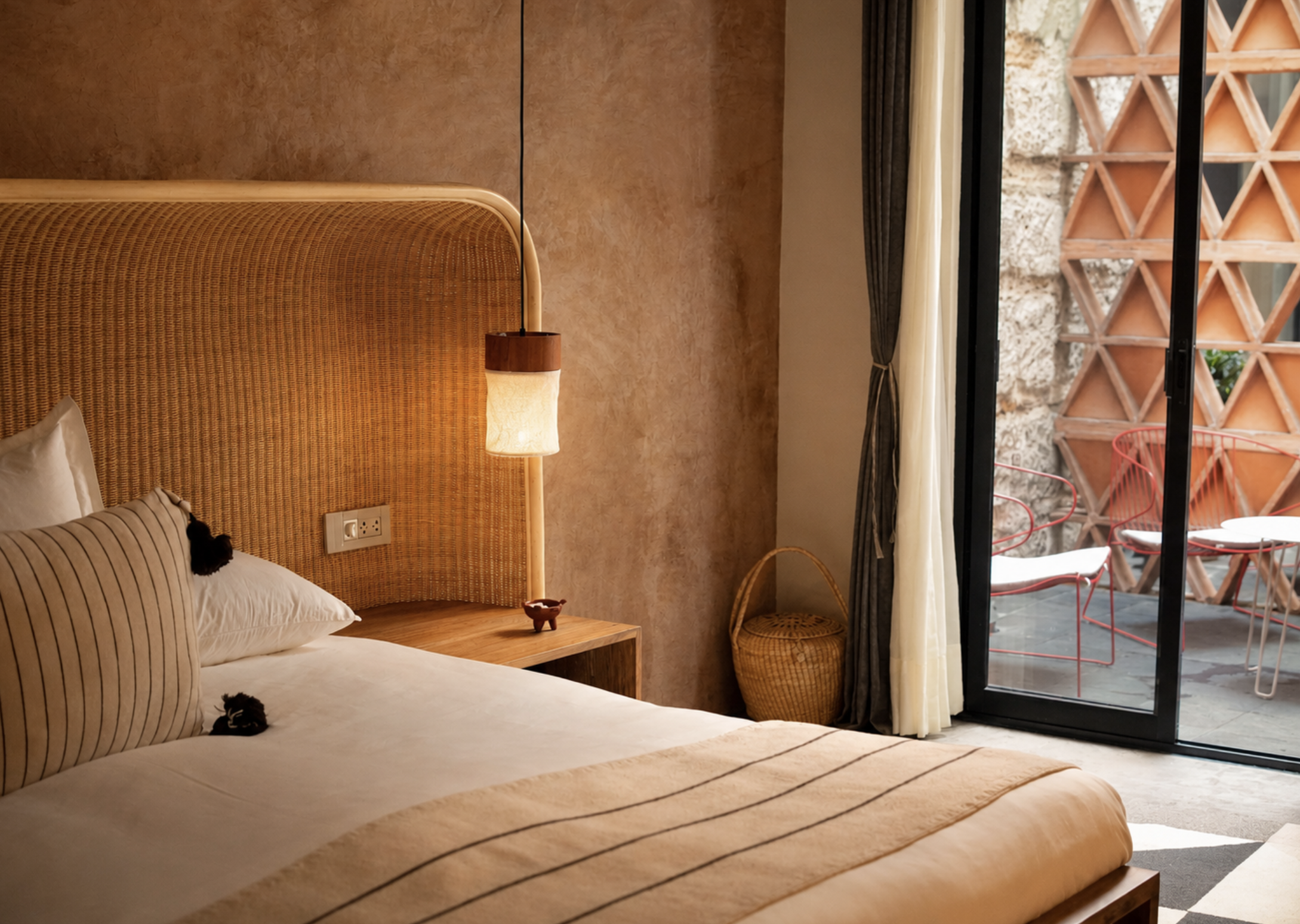
The food and the craft always outran the hotels here. That gap closed in 2023, when Grupo Habita and the designers at Rootstudio took a private residence across from Santo Domingo church and rebuilt it as Otro Oaxaca, all poured concrete and custom furniture made by the same network of artisans supplying the weaving villages down the valley. The result reads more brutalist bunker than colonial boutique, on purpose, with an infinity pool and an artificial cenote spa tucked into a footprint that used to be somebody’s house.
Casa Antonieta took a different approach: a nine-room conversion of the city’s oldest standing building, the sixteenth-century San Pablo convent, later a private mansion. It now holds a spot in the Michelin Guide’s hotel selections, and its café, Muss, has become a neighborhood spot rather than a hotel amenity nobody outside the property uses.
The Coast Extension Few Travelers Make
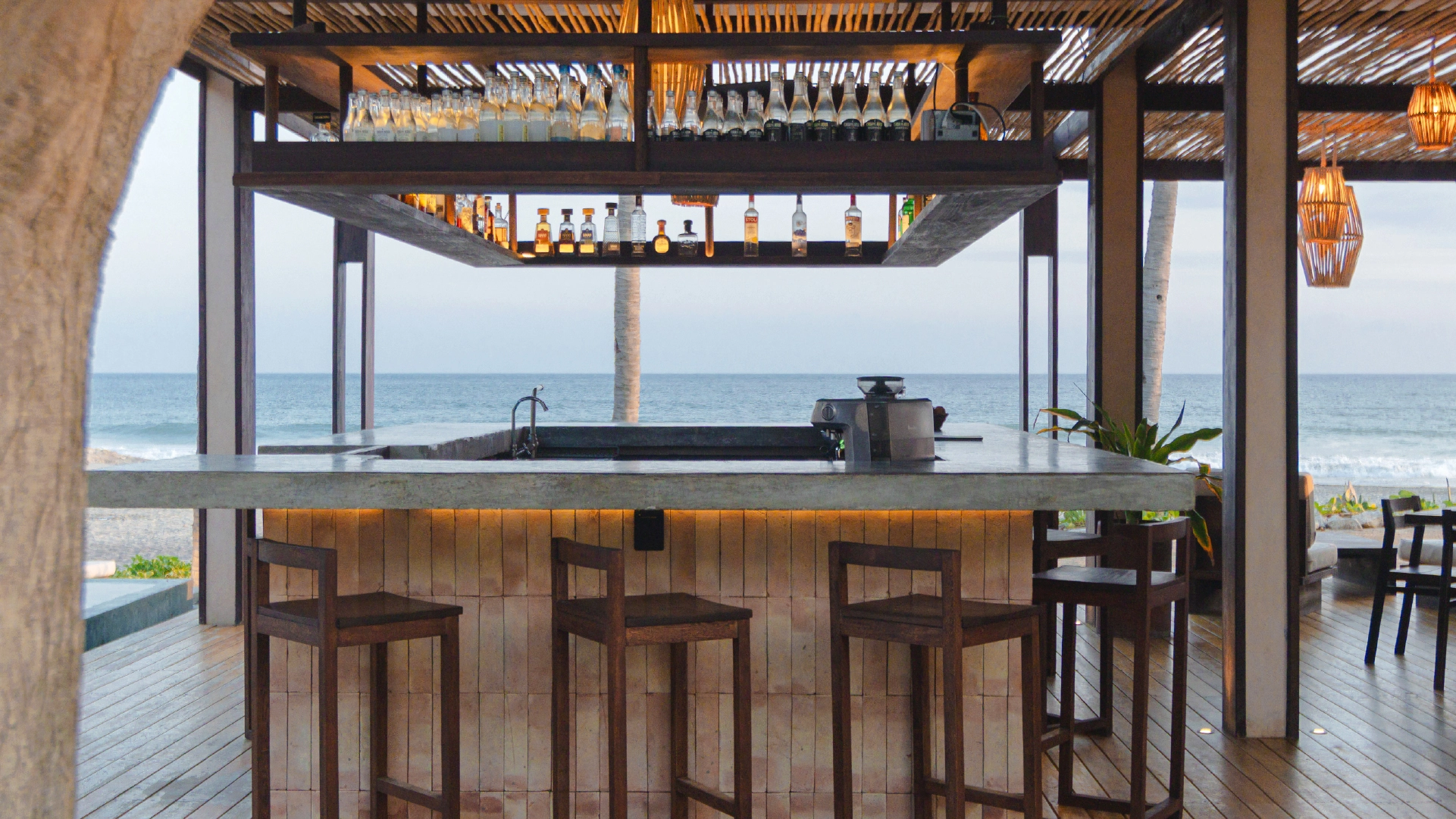
Most itineraries stop at the city and the valley. The stronger version of this trip continues two hours south to the coast, where Casa Yatí opened on the edge of Laguna Ventanilla, an ecotourism zone known for its mangroves and crocodile population rather than beach clubs. Eight rooms, designed by Padre Studio, sit on an undeveloped stretch of coastline that has none of Cabo’s infrastructure and none of its crowds either.
Access granted

A traveler who has already logged a week in Los Cabos or a long weekend in Mexico City has seen the country’s polished version. Oaxaca and its coast show the version still being made by hand, on a timeline nobody has bothered to speed up.
Our Travel Designers build this as one routed trip rather than three separate bookings: city, mezcal country, weaving villages, and coast, sequenced so the drive times work and the right introductions happen at each stop.
Connect with our Travel Designers to route your Oaxaca circuit, from palenque to convent to coastline.

Our experts are waiting to help you discover somewhere extraordinary.
You might also like…


Start building my trip
It all starts with a few details, then our travel experts will create an unforgettable experience just for you.

You’re invited to the club
We’re always adding new trip inspiration and exclusive articles. Share your email and never miss out.