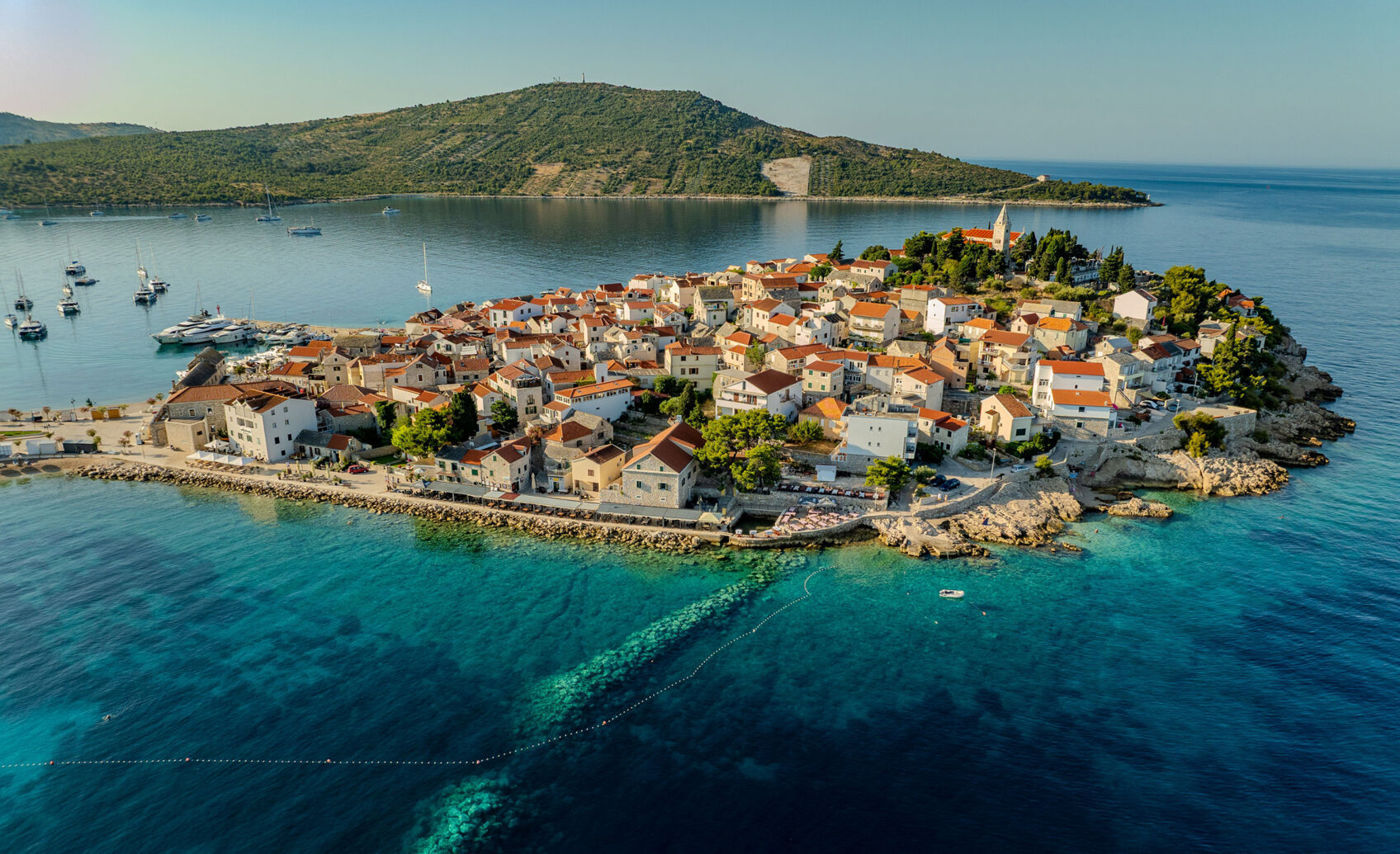
The Croatia Showing Up on Europe’s Most Interesting Itineraries

Croatia has no shortage of famous destinations. Dubrovnik’s city walls, Hvar’s waterfront, Split’s historic center. All famous for a reason, all worth the visit.
But the trips people can’t stop talking about tend to center on somewhere else.
Rovinj, where dinner stretches long past sunset. Istria, where a winery visit turns into an entire afternoon. Vis and Korčula, which have a habit of making people rearrange their plans. Lošinj and Opatija, which operate on a completely different register from the coastline most visitors know.
Together, these places are shaping a different version of Croatia, one that’s showing up on some of Europe’s most interesting itineraries.
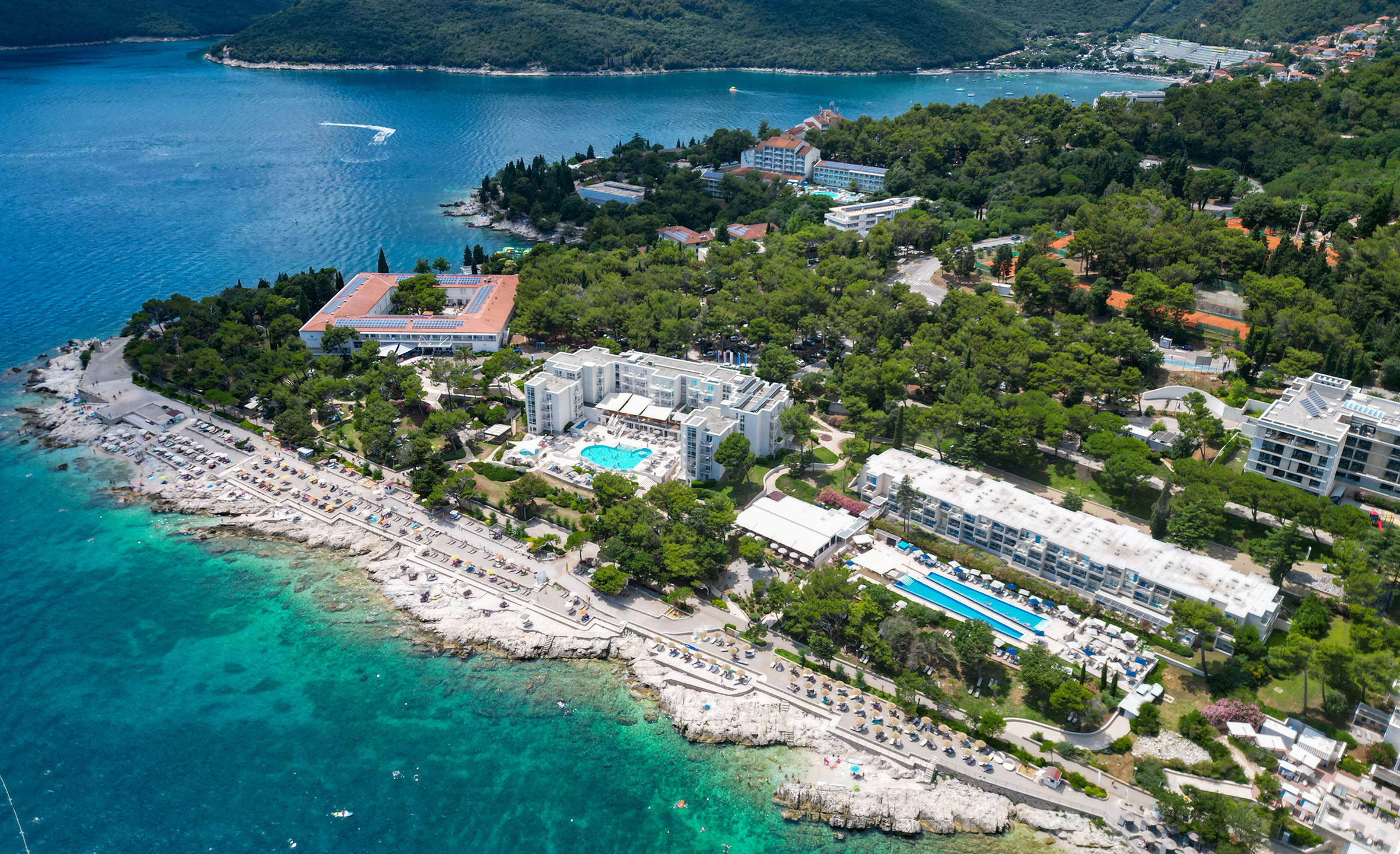
The Places People Wish They Had More Time For
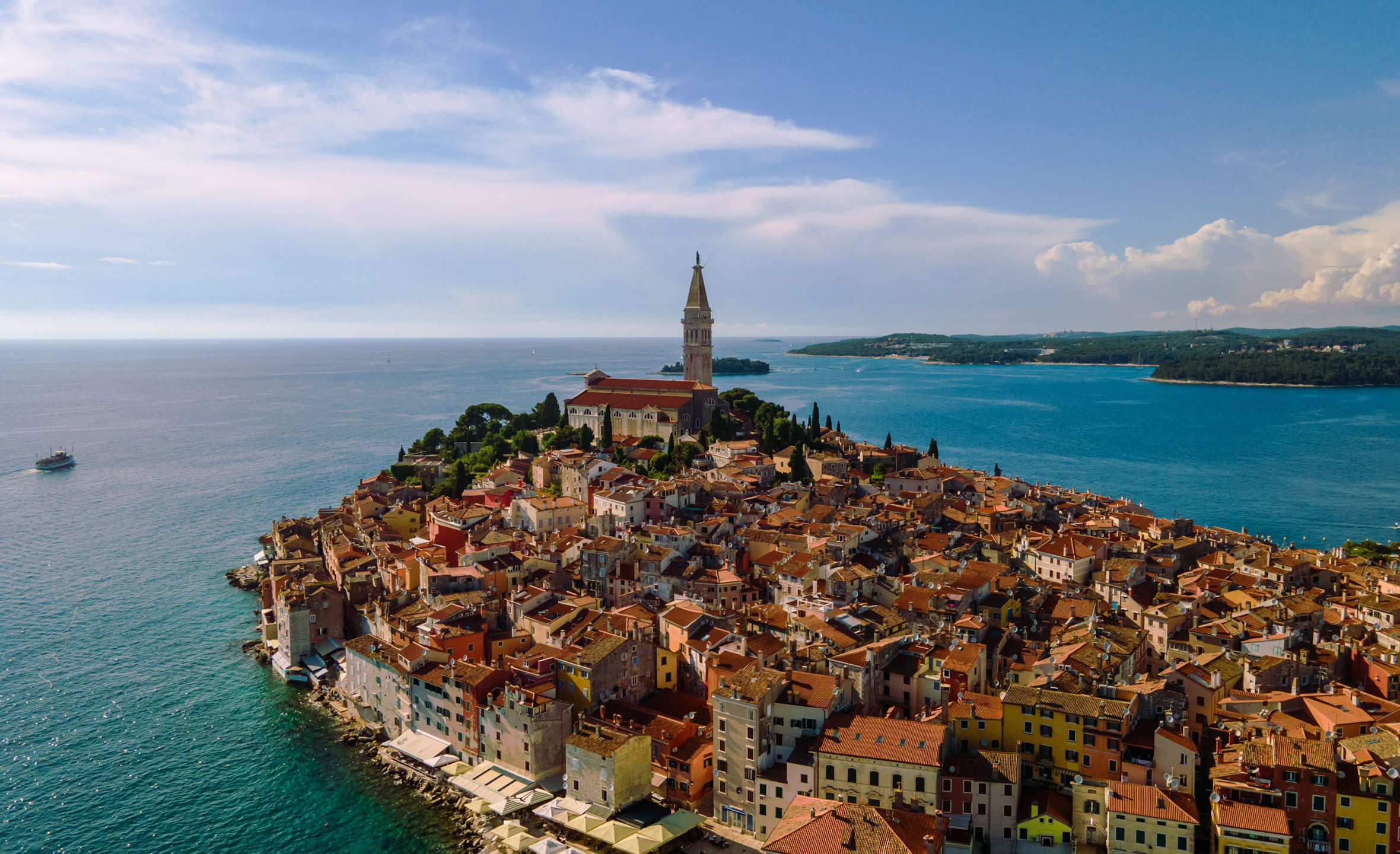
Most people arrive in Rovinj with a plan, but few leave having followed it.
The old town sits on a small peninsula, narrow lanes winding uphill toward the Church of St. Euphemia. Locals take coffee in the morning, aperitivos in the evening. The town is objectively beautiful, but that’s not the thing that gets you.
What happens is simpler: you stop following the plan. One more drink by the water. One more walk before dinner. One more day that suddenly seems completely justified.
Inland, about twenty minutes from the coast, the landscape shifts fast. The coastline disappears behind vineyards, olive groves, and medieval villages perched high above the countryside.
This is Istria.
The truffles here are well-known, as white truffles from the Motovun forest end up in kitchens across Europe. The olive oils routinely win international competitions. The small wineries produce bottles that rarely make it out of Croatia.
None of it feels like a production. A visit to a winery often turns into lunch. Lunch turns into the afternoon. Nobody seems in a rush, and after a few hours you stop being in one either.
The Islands That Change The Conversation
Vis spent decades off-limits.
The island served as a Yugoslav military base well into the 1980s, closed to foreign visitors. When it opened, development came slowly, which meant large-scale tourism mostly bypassed it. The coves stayed uncrowded. The waterfront villages stayed small.
Today people come for the beaches and leave talking about something harder to name. The fishing boats still outnumber the charter yachts. The vineyards produce Vugava, a white grape variety that exists almost nowhere else. The island feels connected to the sea in a way that most Mediterranean destinations lost somewhere along the way.
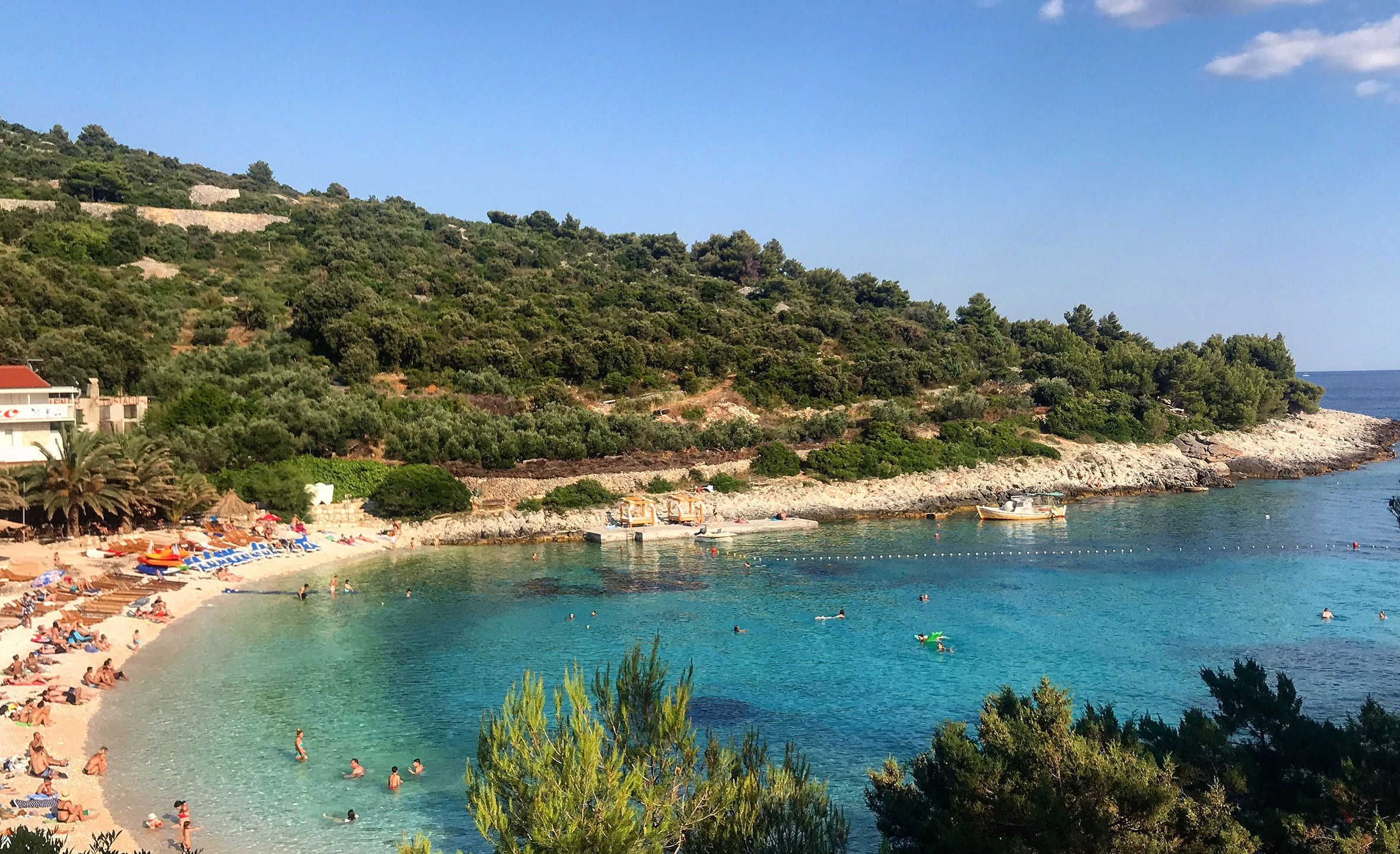
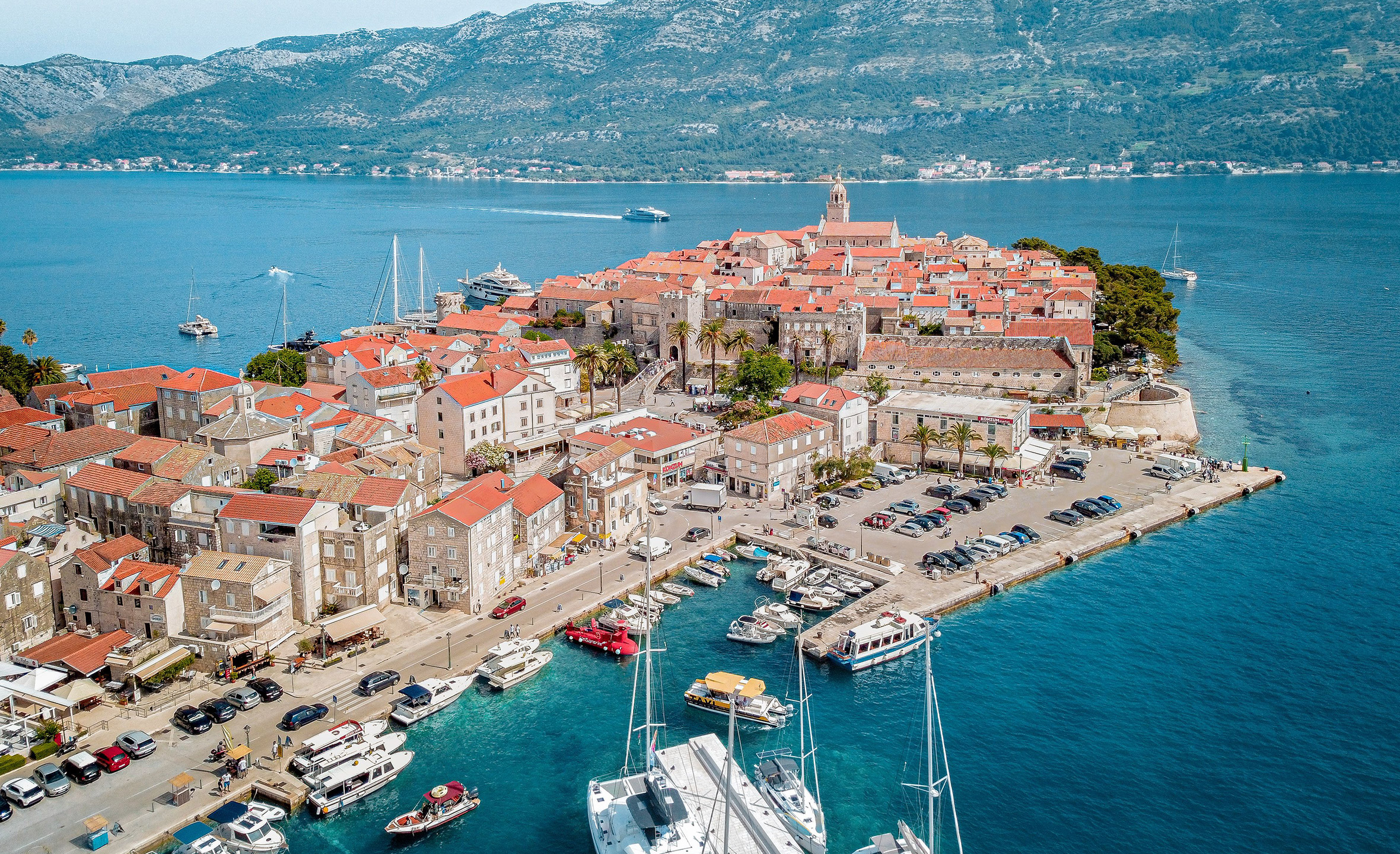
Korčula operates differently. The medieval old town comes at you from the water, stone walls rising straight from the Adriatic, the same walls that have been there for centuries. Most travelers first see it in passing, moving between Hvar and Dubrovnik, and make a note to come back. More of them are actually coming back now. The combination of the old town, the wine country inland, and the pace of daily life makes a few nights turn into a week.
Why These Places Keep Appearing On The Same Itineraries
Lošinj has been drawing visitors for a long time.
Austrian physicians were prescribing stays on the island in the 19th century, specifically for the air. The pine forests, the mild winters, the clarity off the water…the wellness reputation predates the word wellness by about a hundred years. Walking paths hug the coastline, protected coves are ten minutes from town, and the luxury hotels here have leaned into the island’s history rather than papering over it.
Then there is Opatija.
Long before Croatia became one of Europe’s most sought-after destinations, Opatija was already welcoming visitors from across Europe.
Austrian emperors vacationed here. Grand villas lined the promenade. The town became one of the Adriatic’s most fashionable addresses at a time when that meant something very specific. The Lungomare runs for miles along the coast. Belle Époque buildings overlook the water. Afternoon coffee is still an event.
The place never lost its identity, which may be exactly why it keeps finding new visitors.
Why Now
None of these destinations are new. Rovinj has been on the Adriatic for centuries. Opatija was welcoming guests before commercial aviation existed. Vis was simply hidden for a while.
What’s different is how people are putting them together. The most interesting Croatia itineraries right now aren’t built around covering the most ground.
A few extra nights in Rovinj.
An unplanned afternoon in Istria.
A ferry to Vis that becomes the highlight of the trip.
The destinations haven’t changed after all these years; the way people are experiencing them has.
Access granted

Connect with one of our Travel Designers to build your Japan fall itinerary — regional routing, ryokan access, and seasonal timing included.

Our experts are waiting to help you discover somewhere extraordinary.
You might also like…

-
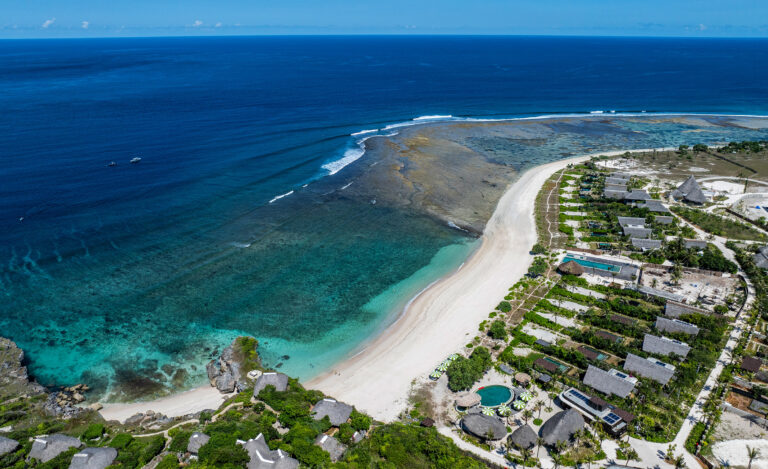
Nihi Rote: Inside Indonesia’s Newest Island Hotel
Nihi’s second Indonesian resort opened April 2026 on remote Rote…
-
Musandam, Oman: Arabia’s Fjords
Three hours from Dubai, granite fjords drop into the Strait…
-
Alentejo, Portugal: The Trip Worth Skipping Lisbon For
Alentejo is Portugal’s wine country and cork forest region, an…
Start building my trip
It all starts with a few details, then our travel experts will create an unforgettable experience just for you.

You’re invited to the club
We’re always adding new trip inspiration and exclusive articles. Share your email and never miss out.