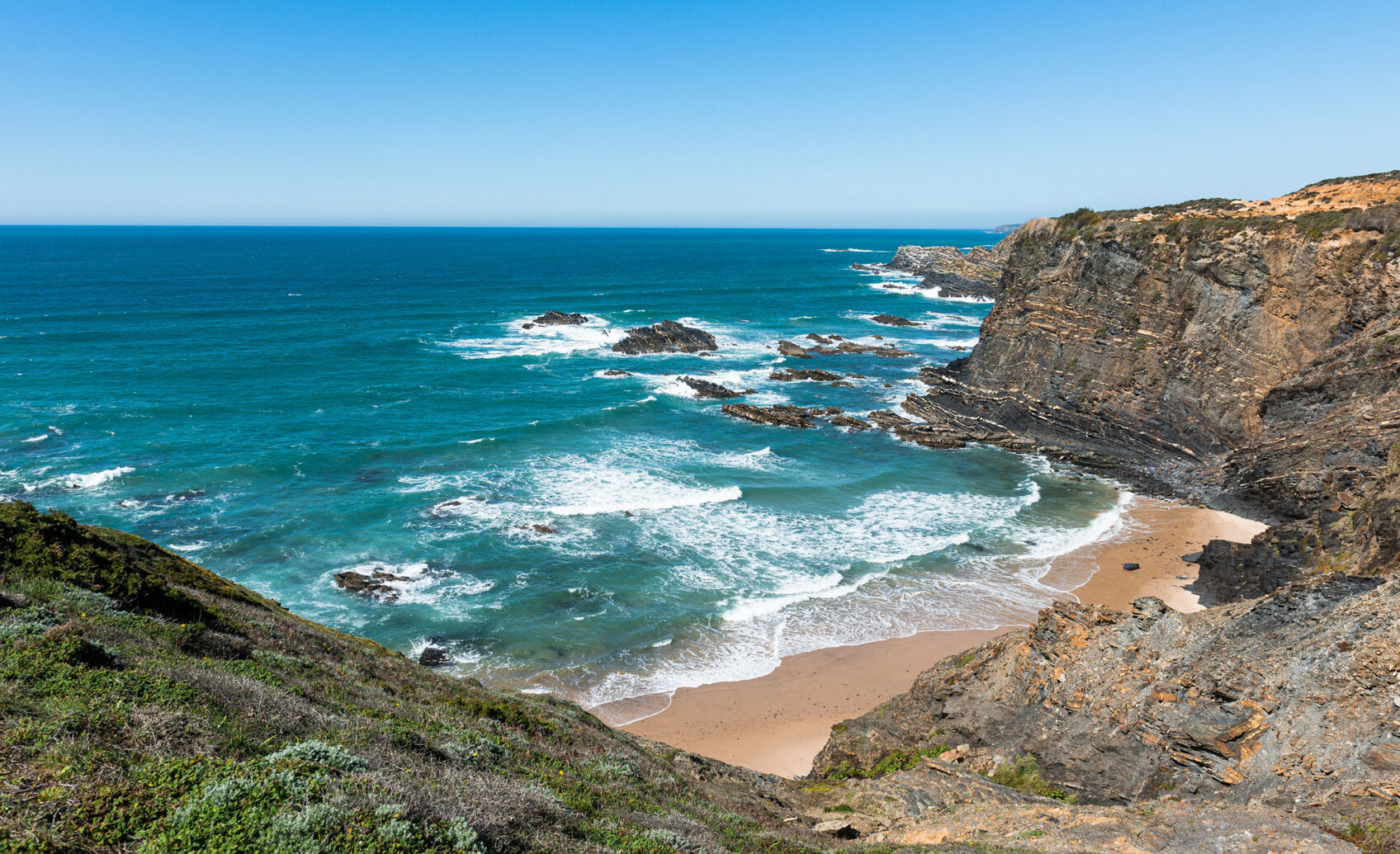
Alentejo, Portugal: The Trip Worth Skipping Lisbon For

Drive an hour south of Lisbon and the road signs quietly drop the word Lisbon altogether. Apartment blocks give way to cork oaks. The land flattens into wheat-colored plains that look more like inland Spain or even Tuscany than the beach postcards most people associate with Portugal. Welcome to the Alentejo, a region that used to get treated as a day trip and, as of this year, no longer should be.
Here’s the case in one number: six. That’s how many new luxury properties are landing in this region in 2026, stretching from wine country near Évora down to the pine groves of Comporta. Nobody builds six hotels in a place that’s waiting to be found…they build them where demand already exists.
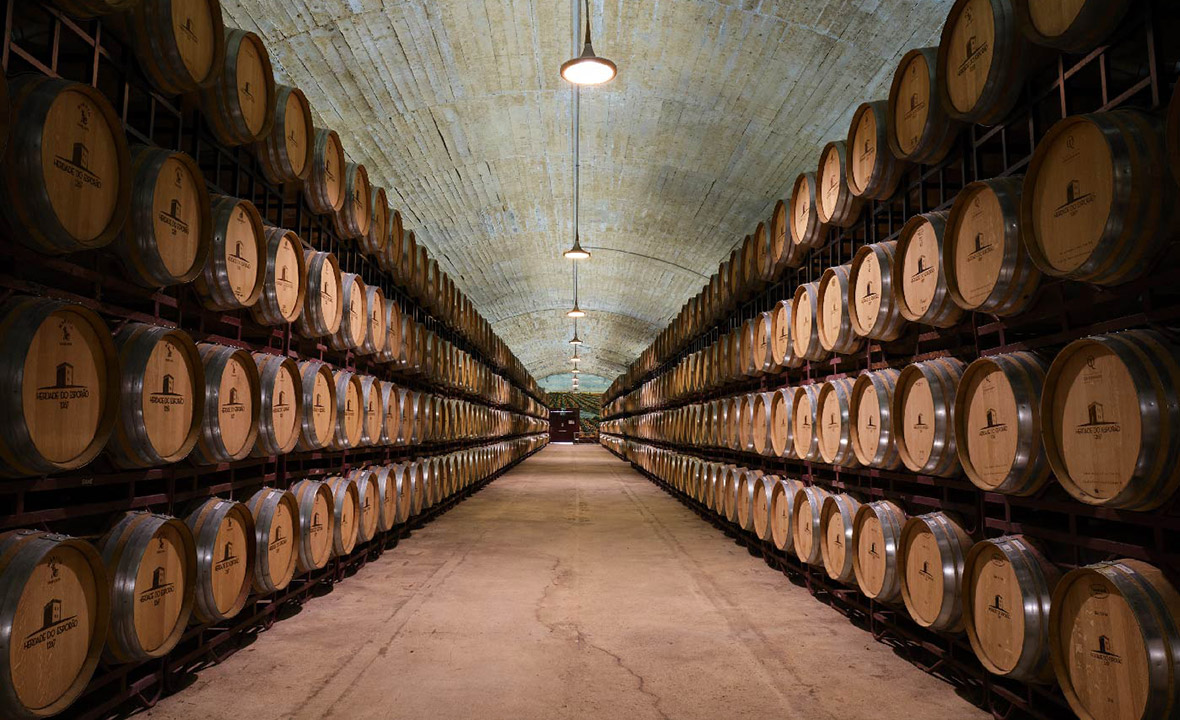
Wine Country Without the Crowds
Wine is where to start. The Alentejo makes more of it than any other Portuguese region and keeps most of the good stuff domestic, at least until recently. For now, that means a wine country with real depth and without the Douro’s tour bus problem.
Herdade do Esporão sits just outside Reguengos de Monsaraz, and skip whatever image “tasting room” brings to mind. The estate farms over 2,000 acres of vines and olive trees, runs its own archaeological dig on site, and cooks its restaurant menu from whatever the farm is producing that particular week. Cartuxa, across town in Évora, has aged wine inside a former monastery since the 1700s.
Learn two grape names before you land. Touriga Nacional carries the structure in the reds. Antão Vaz handles the region’s punishing summer heat better than nearly any other white grape grown here. A Travel Designer can string Reguengos and Évora into a two-day cellar run that never repeats a tasting room.
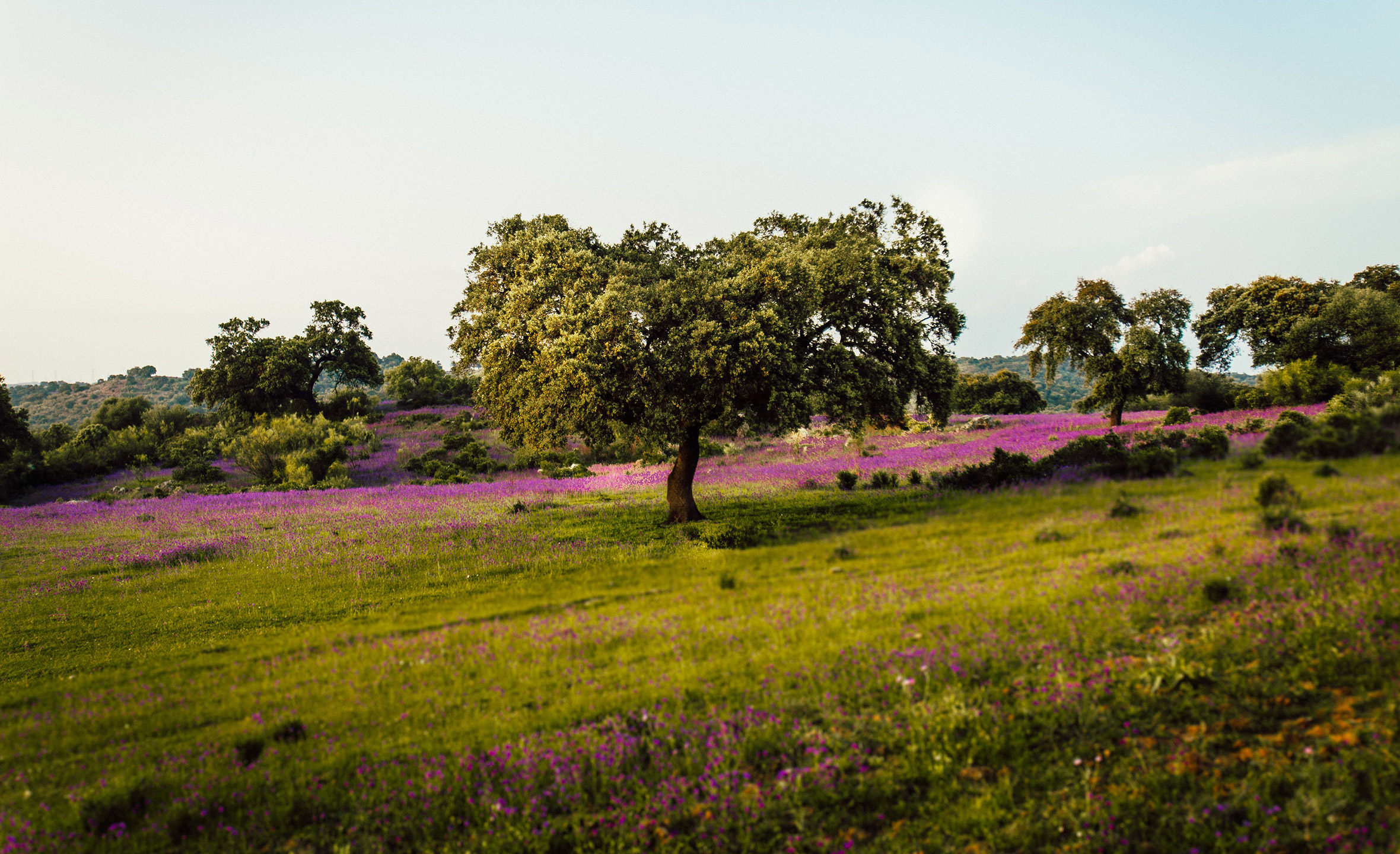
The Cork Forests You Can Actually Walk Into
Then there’s the cork. Roughly half the world’s supply comes out of these forests, and calling them “forests” undersells it. These trees can live past a hundred years, and every nine years someone strips the bark by hand and marks the trunk with the last digit of the year, a rough kind of tattoo that tracks a tree’s entire working life.
You can walk one of these forests yourself. There’s a guided trek through 540 hectares at the base of the Serra d’Ossa, near a town called Redondo, that passes active cork-stripping sites and ends with lunch built around the estate’s own olive oil.
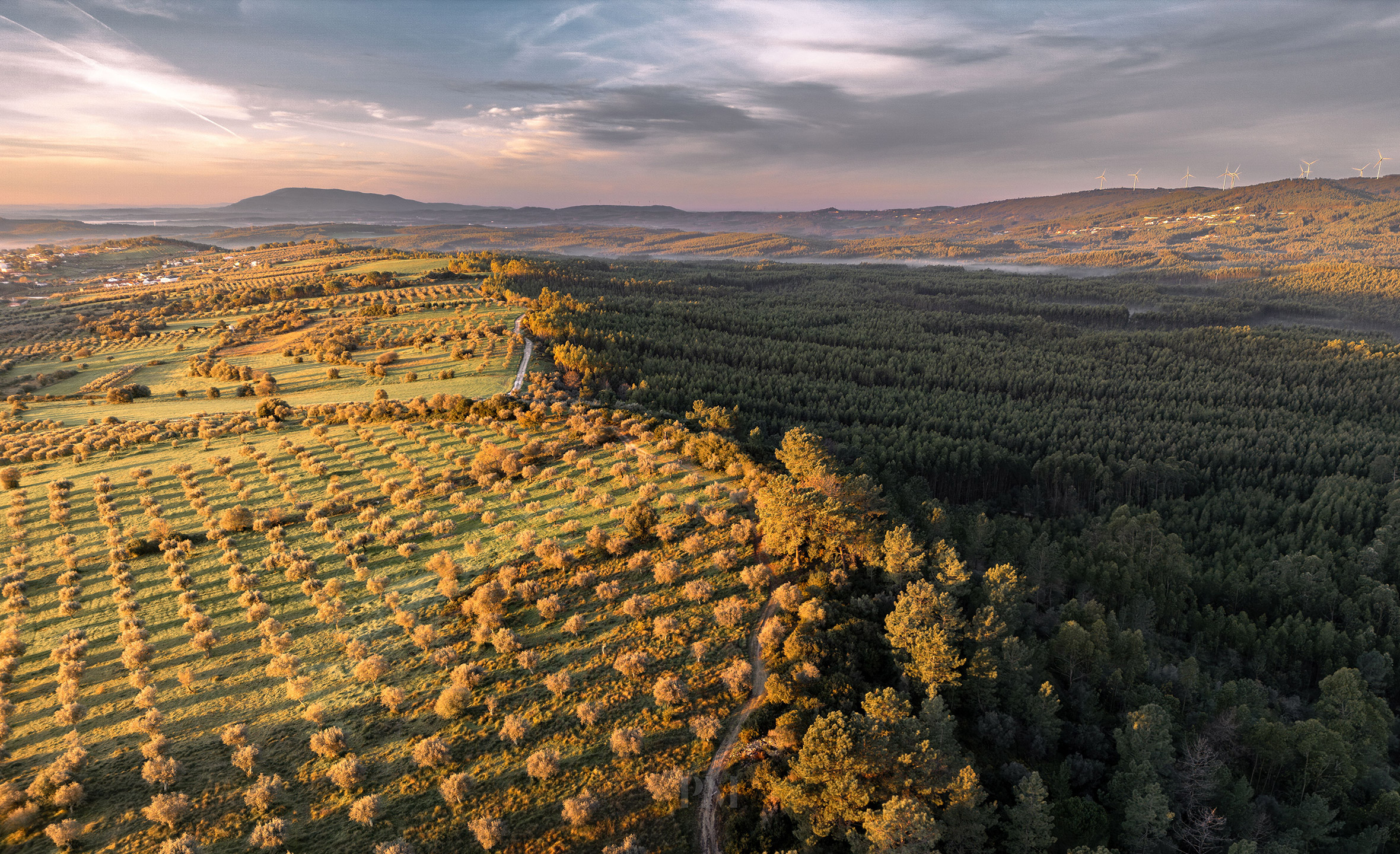
Where to Stay Now That the Hotel Wave Has Arrived
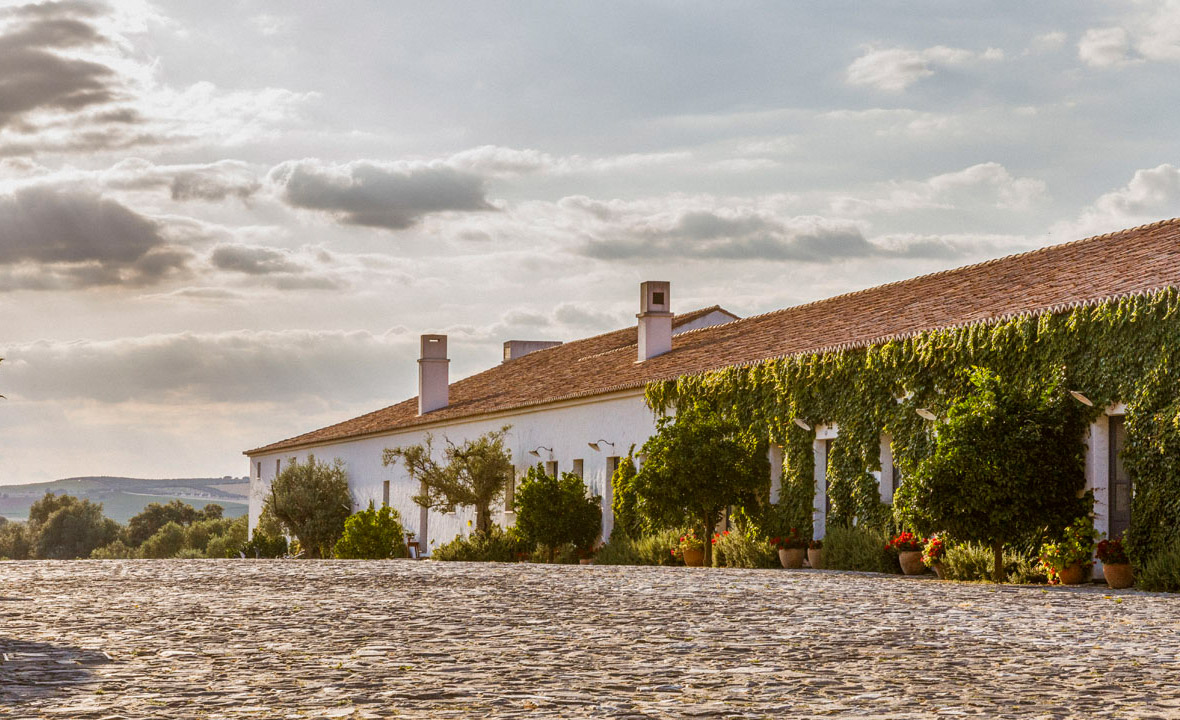
São Lourenço do Barrocal got here first and still hasn’t been topped. Eduardo Souto de Moura, the architect behind the project, converted a 780-acre working farm’s 19th-century buildings into 40 rooms and somehow kept the place looking like a farm. Every hotel that has opened in the Alentejo since gets measured against it, whether the owners admit that or not.
This year’s arrivals are staking out their own territory instead of copying that formula. Quinta Amala sits on twelve acres of pine and rice fields near the coast, all wooden cabins built for people who want to do nothing in particular. Torre Vã opens in Ourique this October inside a historic estate, with gastronomy and wine as the focus rather than a pool as an afterthought. Down on the coast, Sublime Comporta added a run of private villas back in May, and Ando Living’s sixteen-villa property opens in July. Four hotels, four different reasons to book, zero overlap.
Évora and the Villages Worth a Night
Don’t skip Évora itself. Its Roman Temple and UNESCO-protected old town could anchor a trip on their own, and the city has spent two years preparing to become European Capital of Culture in 2027. New museum and gallery spaces are already opening ahead of that title, not after it.
Monsaraz sits above the Alqueva reservoir, one of Europe’s largest man-made lakes. Its whitewashed houses circle a castle that predates Portugal as a country, an odd thing to type but true. Twenty minutes away, Arraiolos hand-knots wool carpets using a technique that hasn’t changed since the 1200s. Neither town needs more than an afternoon, though both are worth a night instead of a drive-by.
Most people still get this part wrong. They squeeze the Alentejo into a wine tasting and a photo op between Lisbon and the airport, which wastes a region built for the opposite pace. Give it four or five nights instead. One for cellars, one for cork forest and lunch, one in Évora, and the rest doing as little as possible at a coastal estate.

Access granted

Our Travel Designers already work directly with these wineries and estates, including several of this year’s new openings before their booking calendars fill up. They’ll route you from Évora’s culture to Monsaraz’s quiet to Comporta’s coastline without a single wasted transfer, and get you into cellar visits and dinners you won’t find by searching a booking site yourself.
Connect with our Travel Designers to build an Alentejo itinerary around this year’s new openings.

Our experts are waiting to help you discover somewhere extraordinary.
You might also like…

-
Japan in Fall: The Regions Most Travelers Never Reach
Kyoto in autumn is everything it’s been described as. The…
-
San Sebastián: the Euro Summer Culinary Capital
Pintxos bars, four Michelin-starred kitchens within 30 minutes, and the…
-
SHA Mexico: Where Longevity Travel Gets Serious
The property at Costa Mujeres, on Mexico’s Caribbean coast just…

Start building my trip
It all starts with a few details, then our travel experts will create an unforgettable experience just for you.

You’re invited to the club
We’re always adding new trip inspiration and exclusive articles. Share your email and never miss out.